








































































UX Design

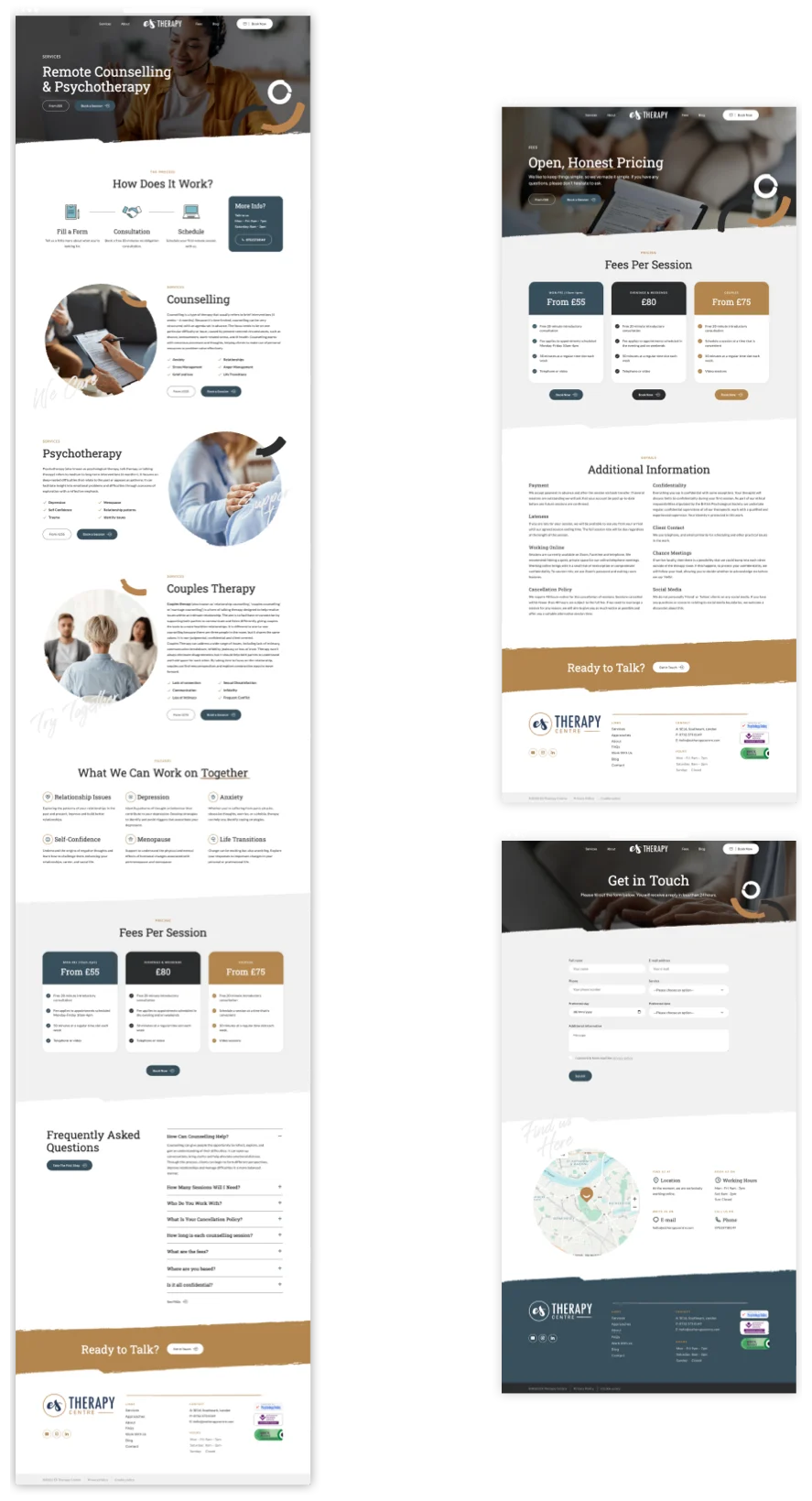
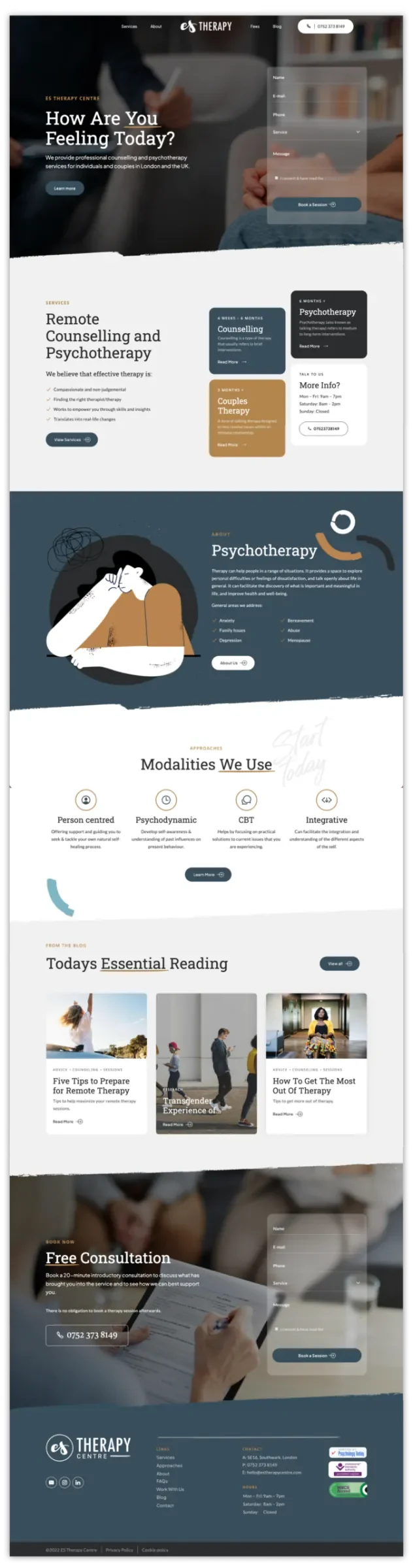
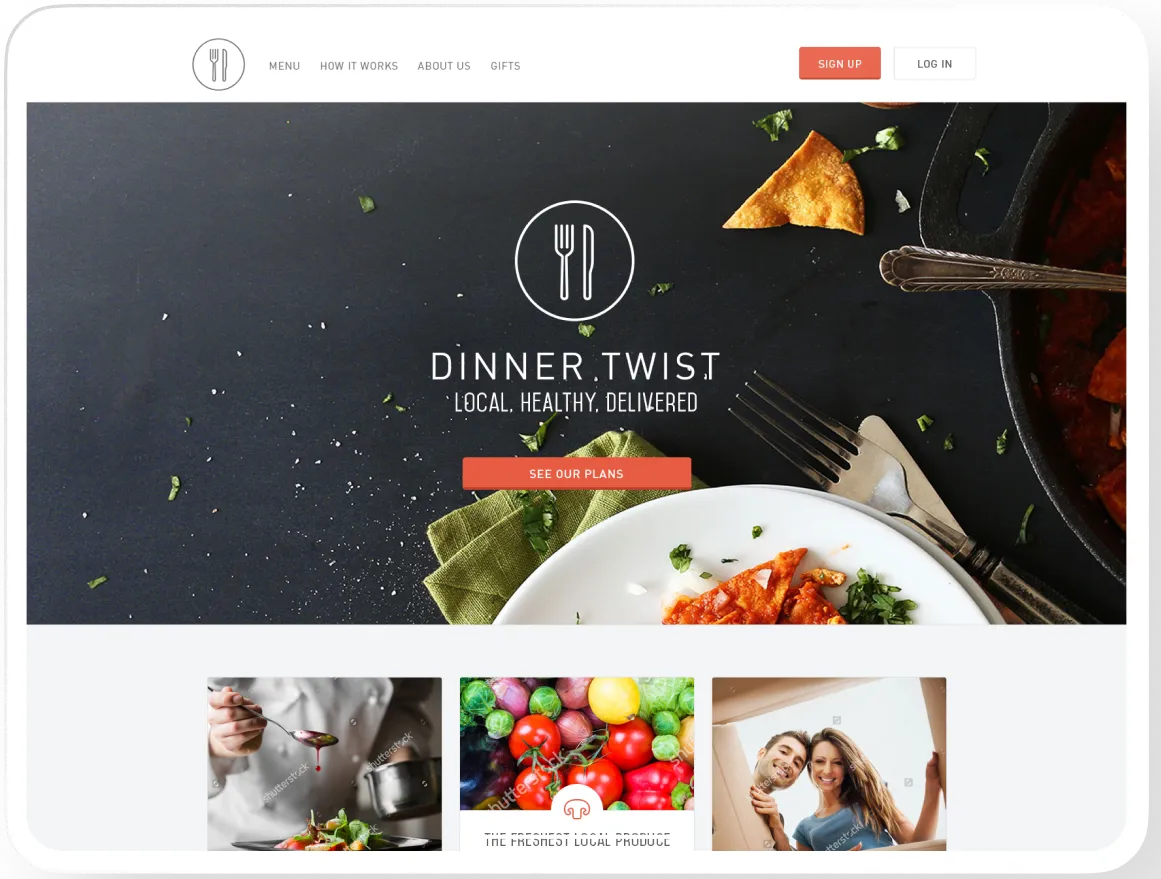
Good UX is invisible. People don't notice when a product works well, they just use it. That takes research, structure, testing, and a lot of deliberate decisions.

What's included

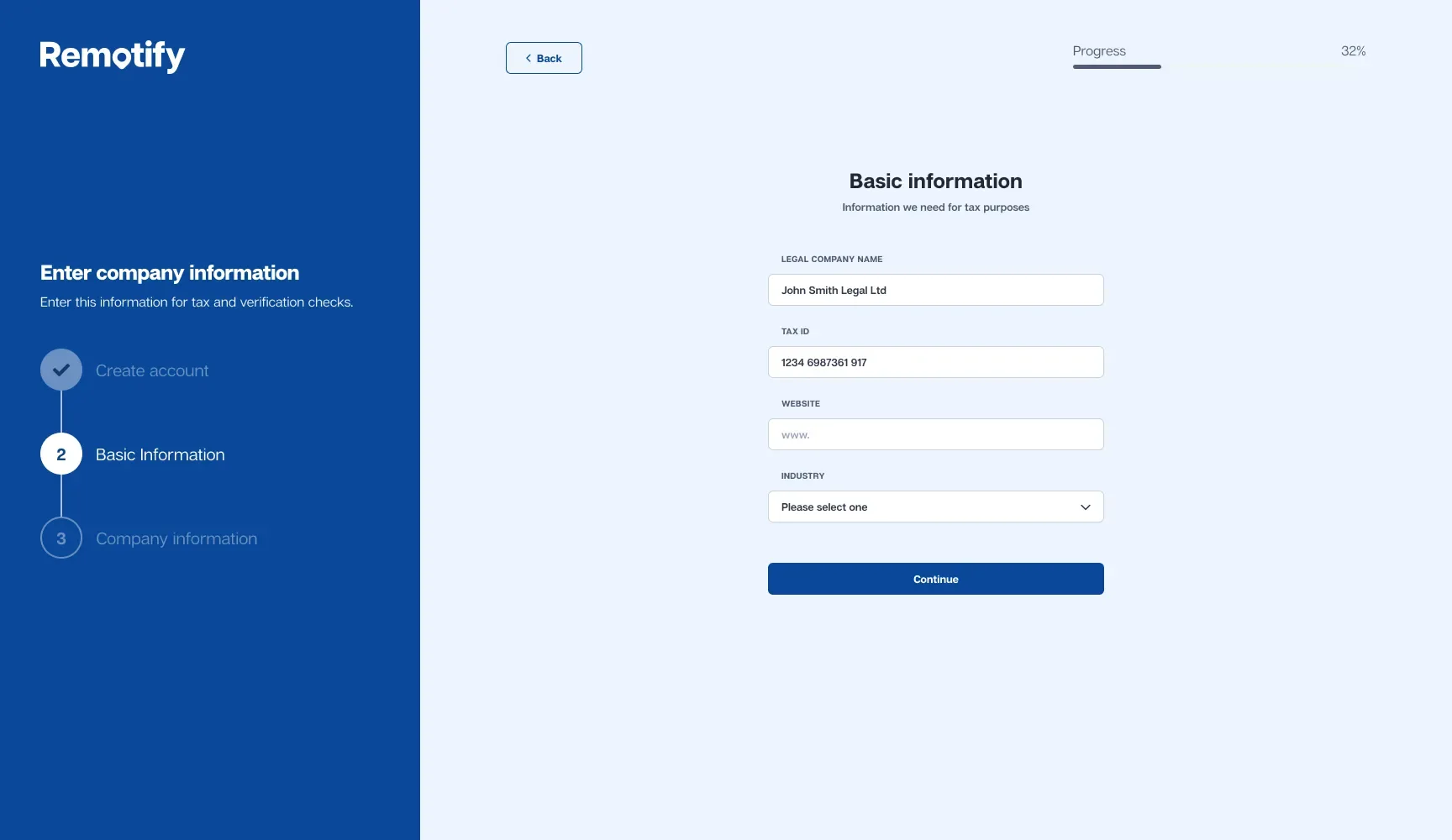
User research

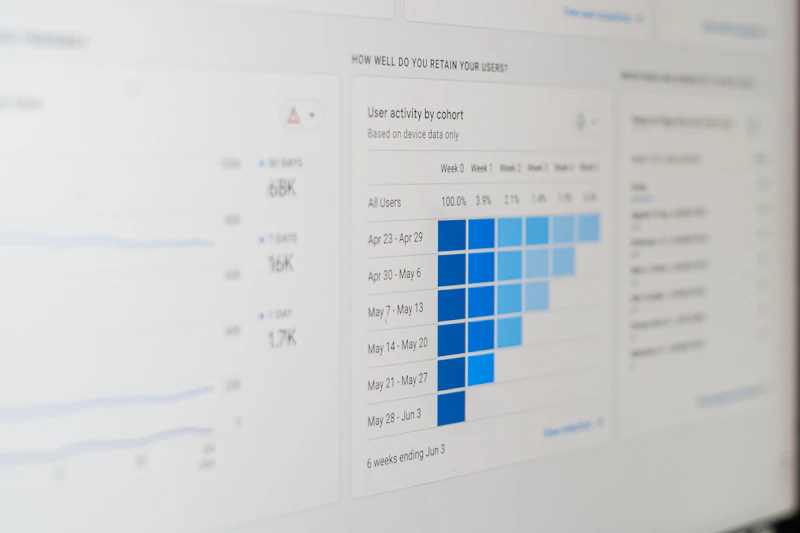
Interviews, surveys, usability testing, analytics review, competitor analysis. Understanding the people who use your product before designing anything.

Information architecture

Site maps, content hierarchy, navigation design, card sorting. Structuring content so people find what they need without thinking about it.

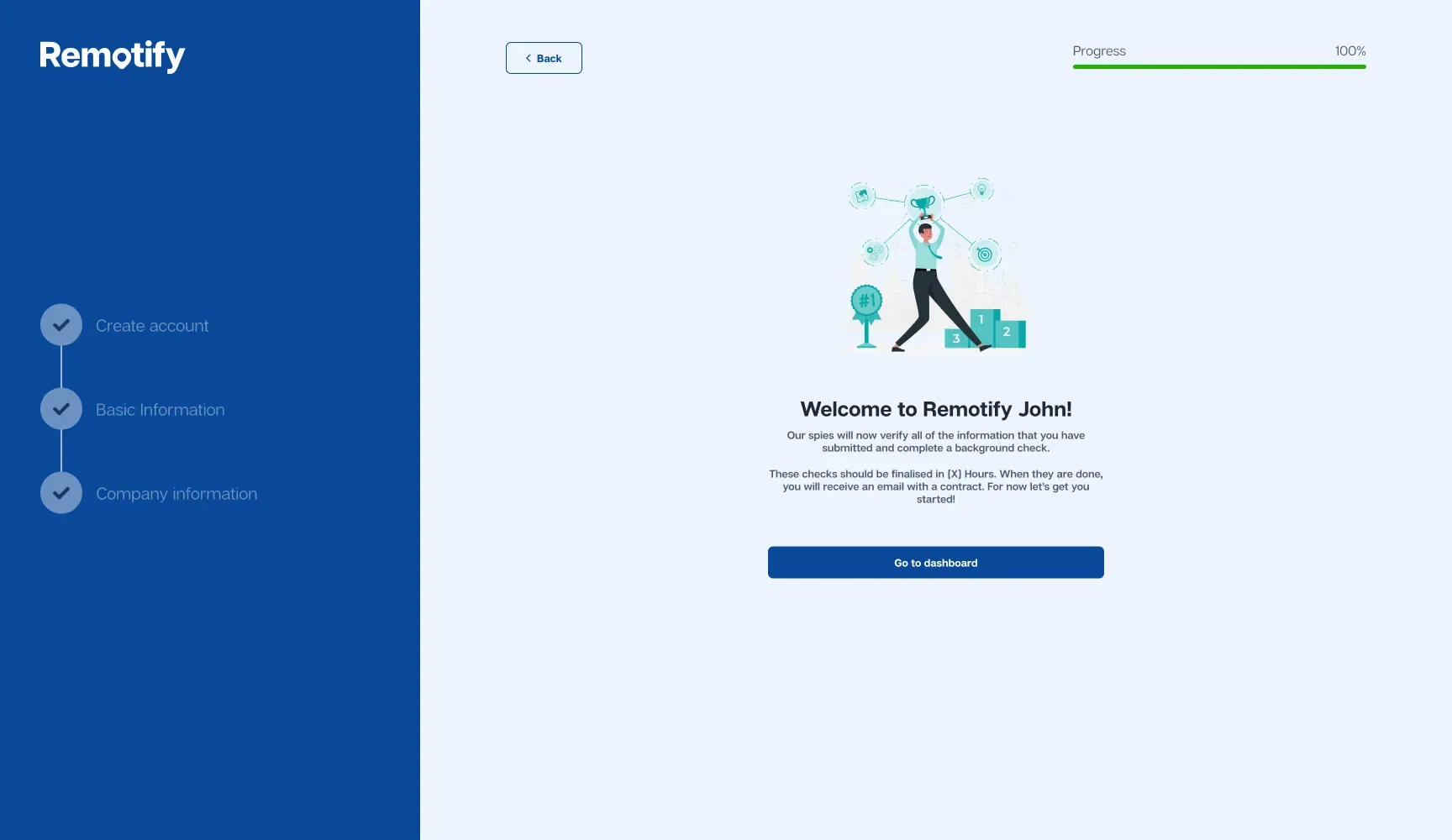
User flows and journey mapping

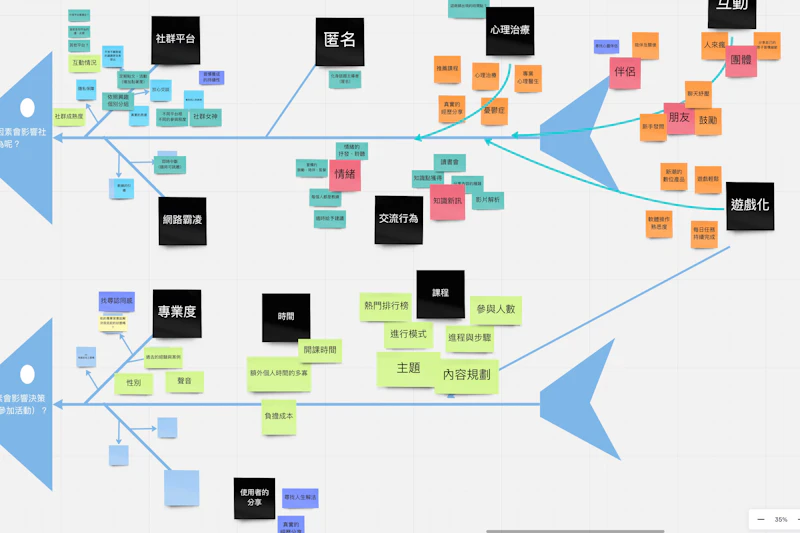
Task flows, user journey maps, service blueprints. Mapping every step a user takes and identifying where things break down.

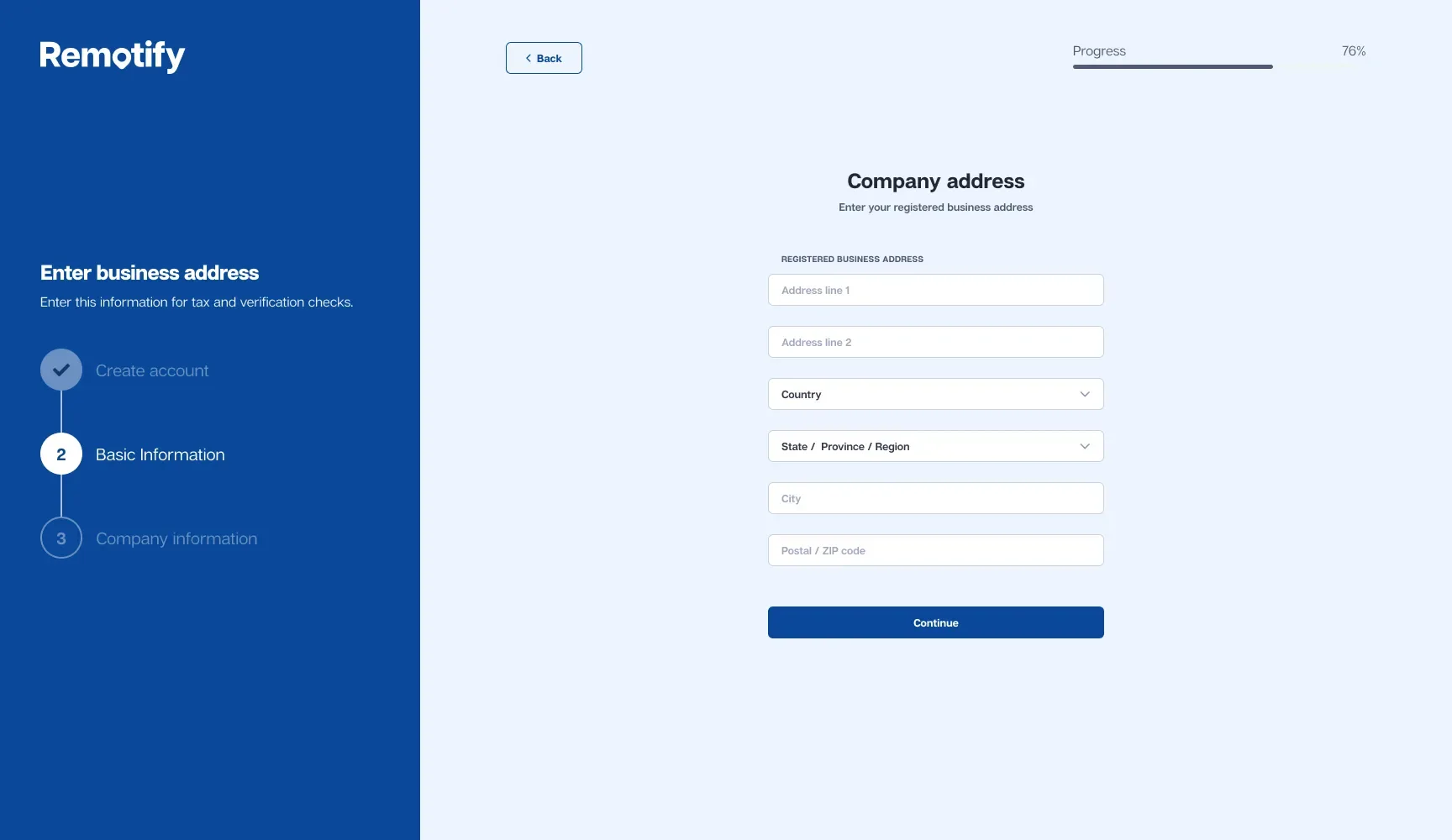
Wireframing

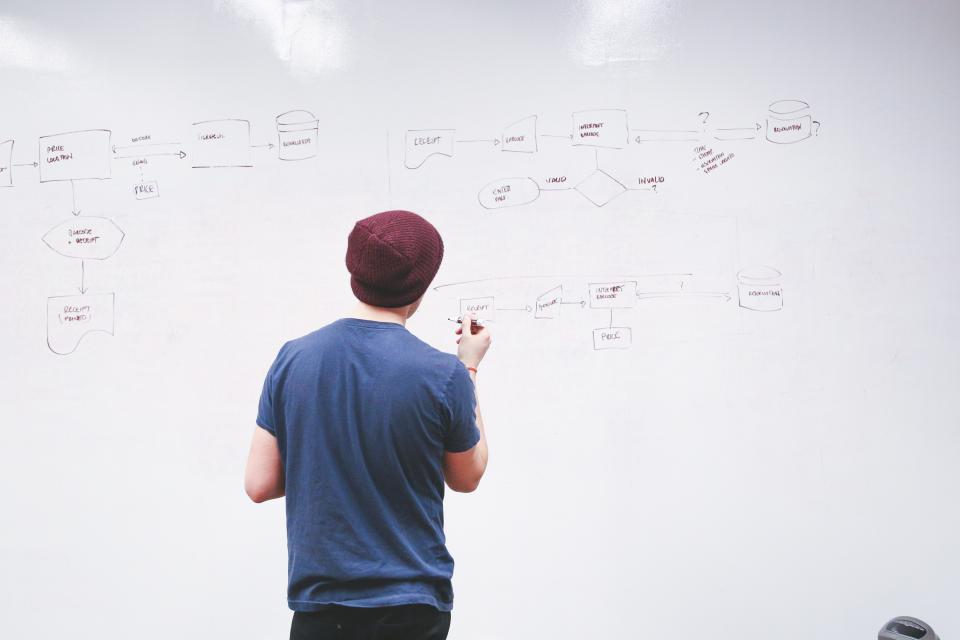
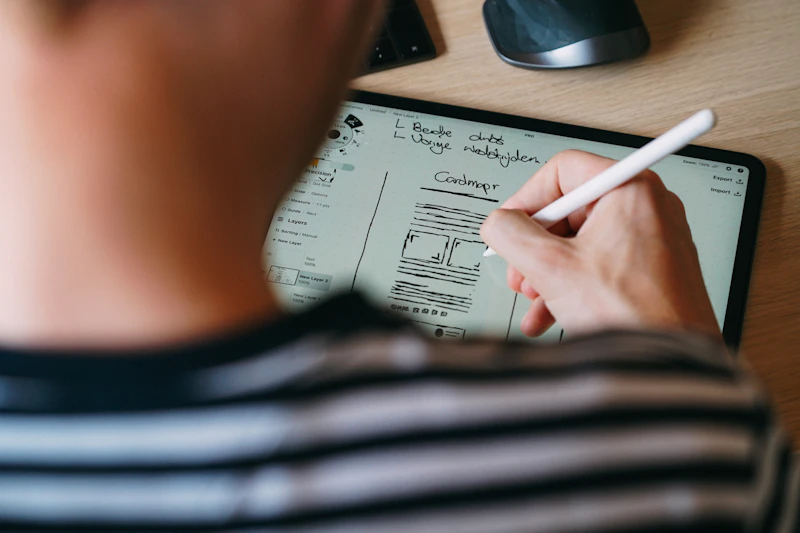
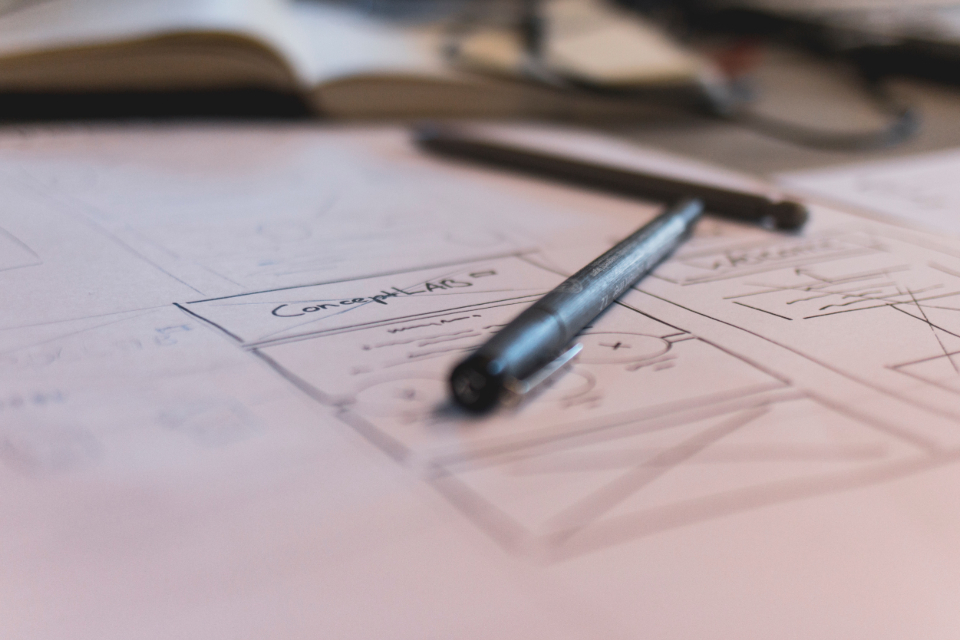
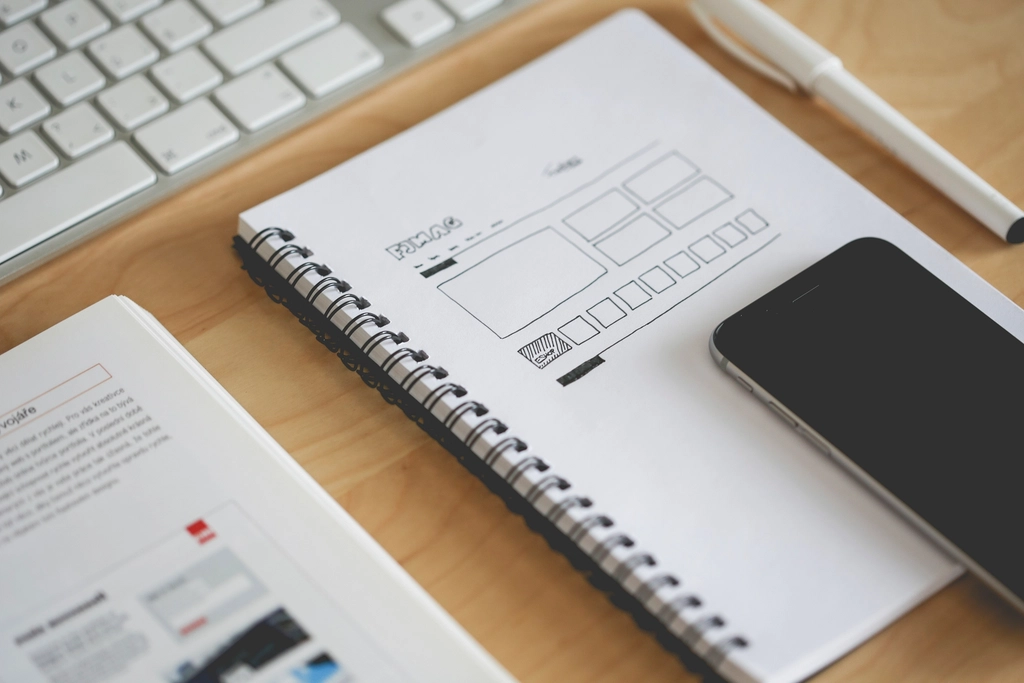
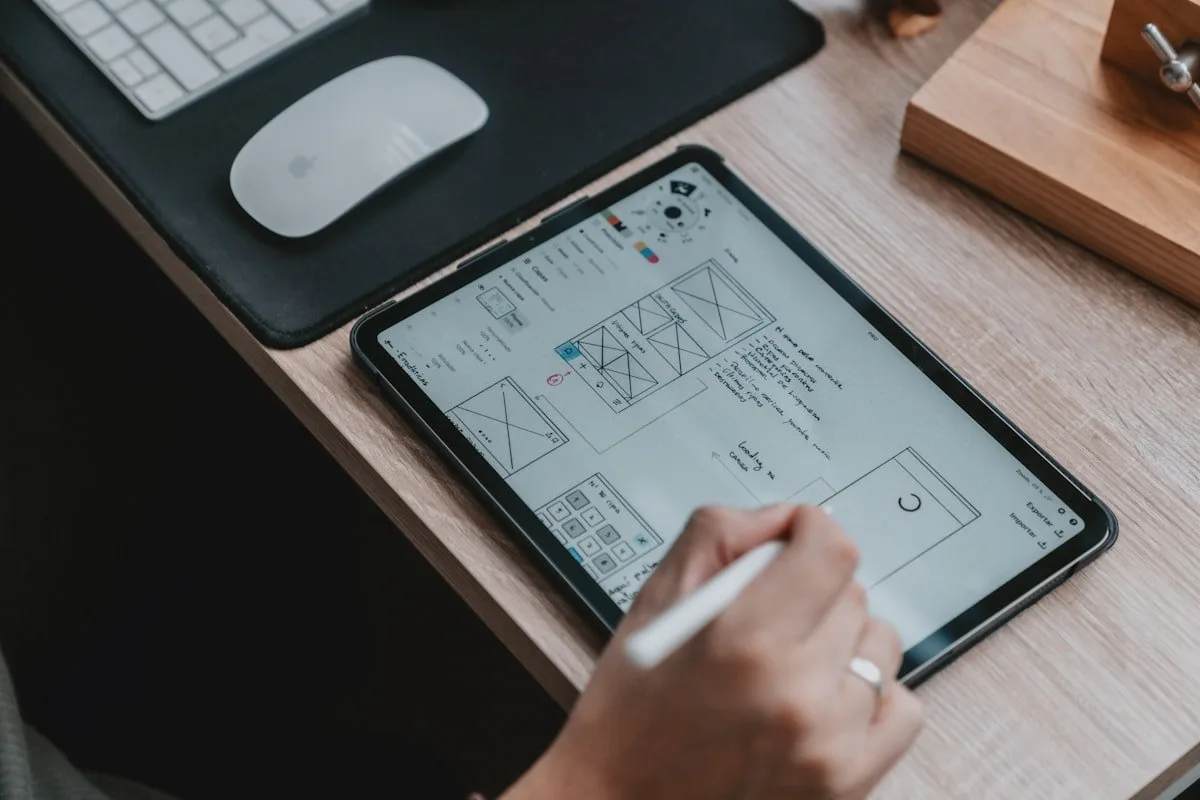
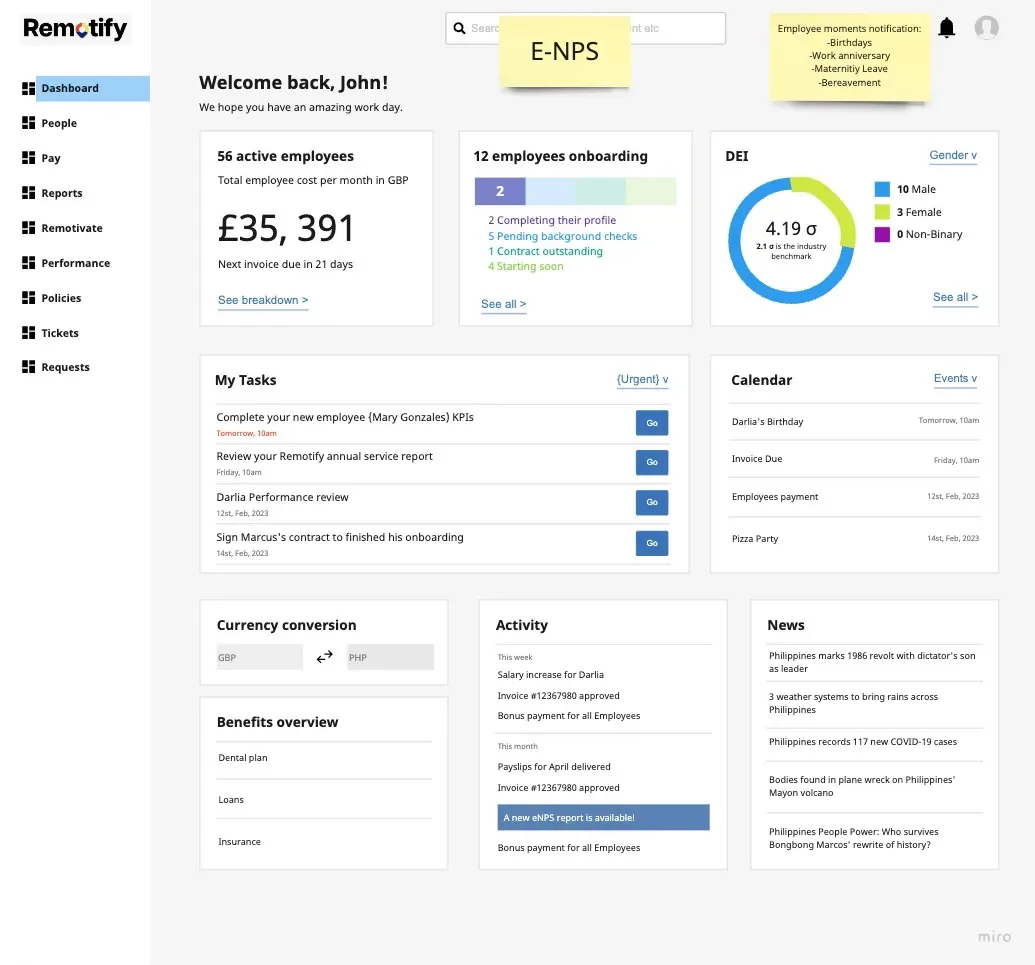
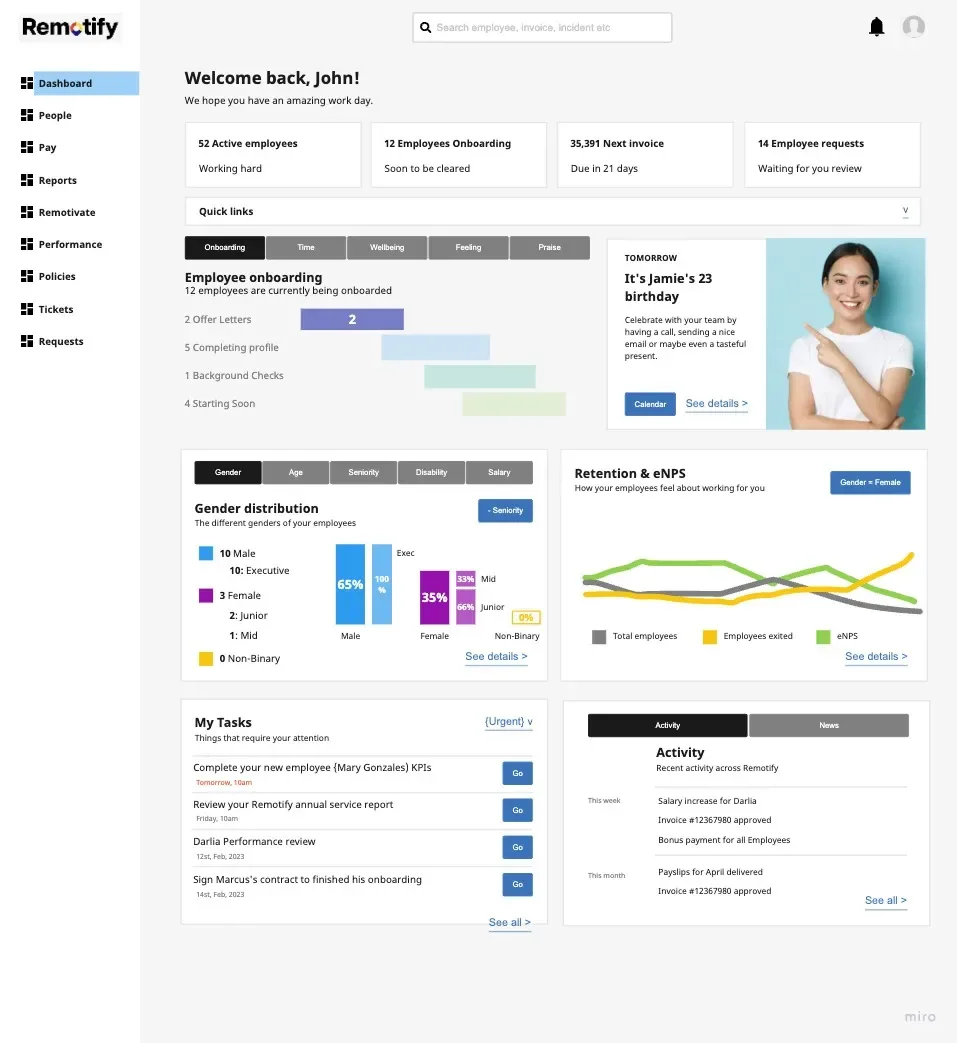
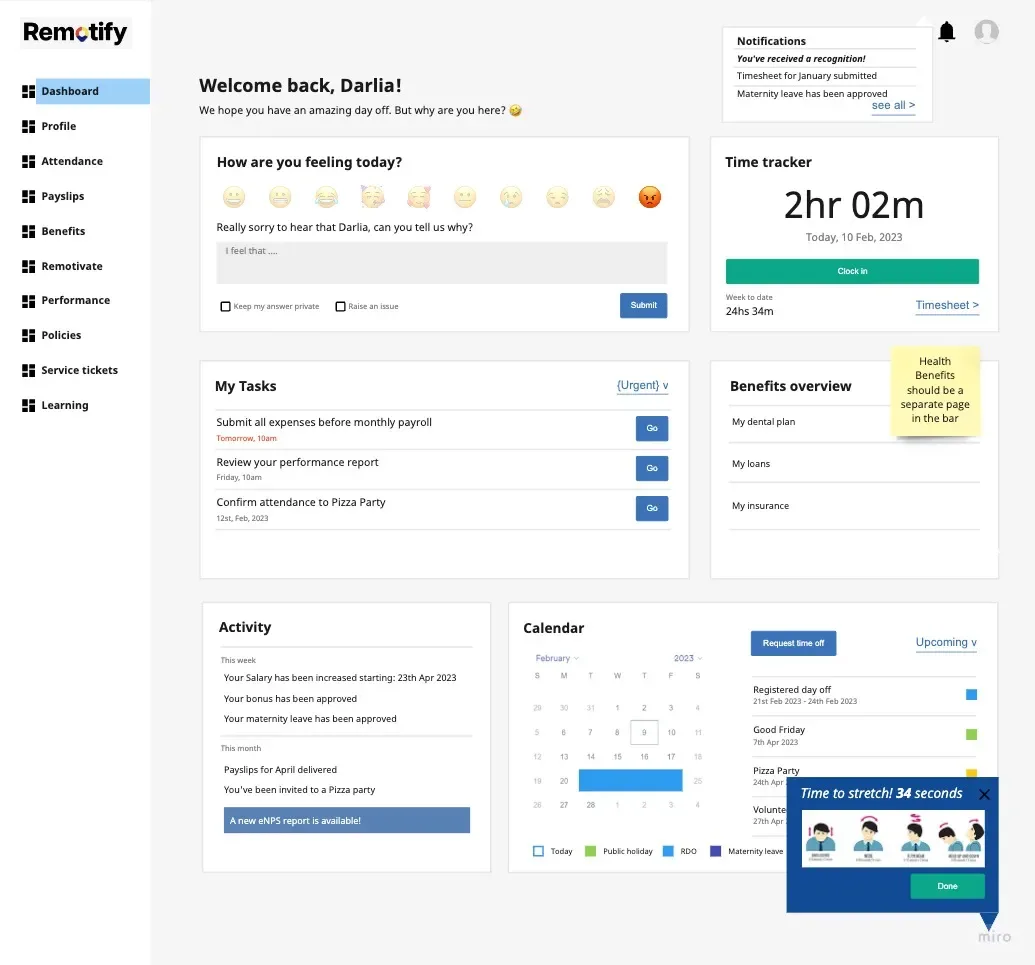
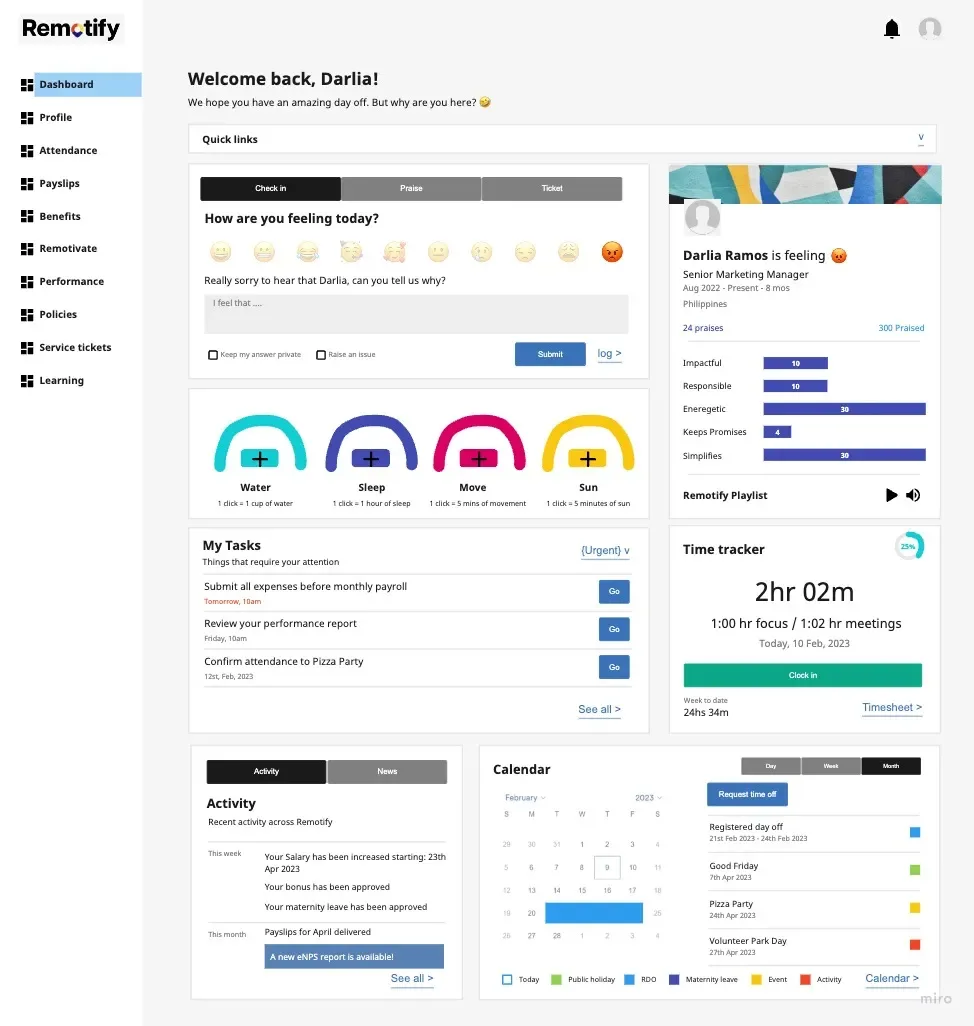
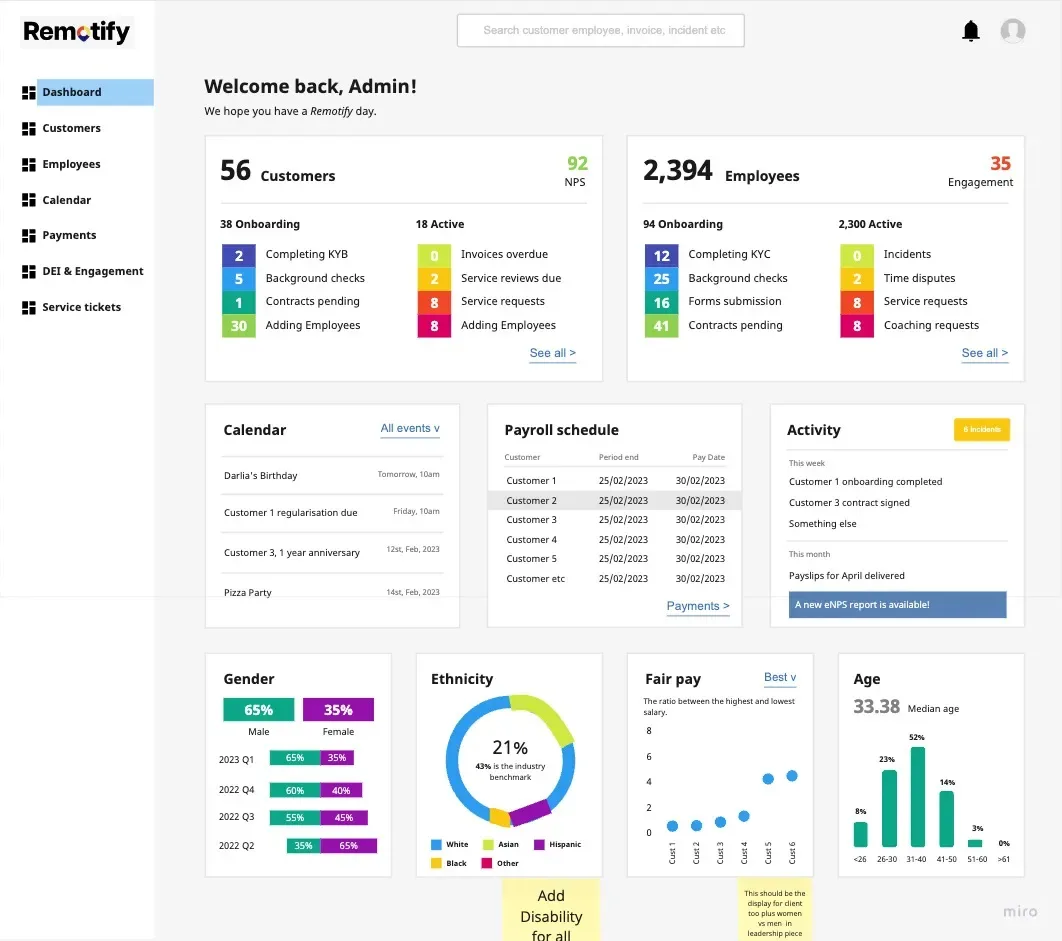
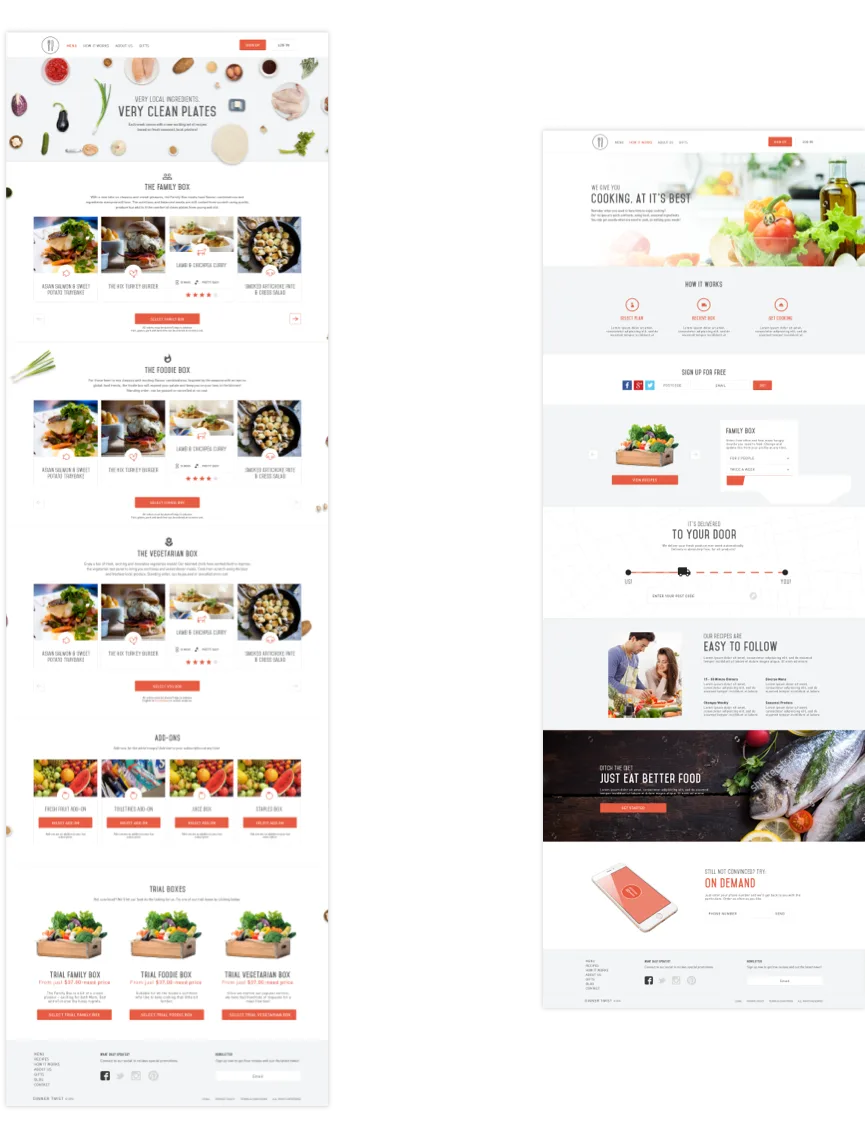
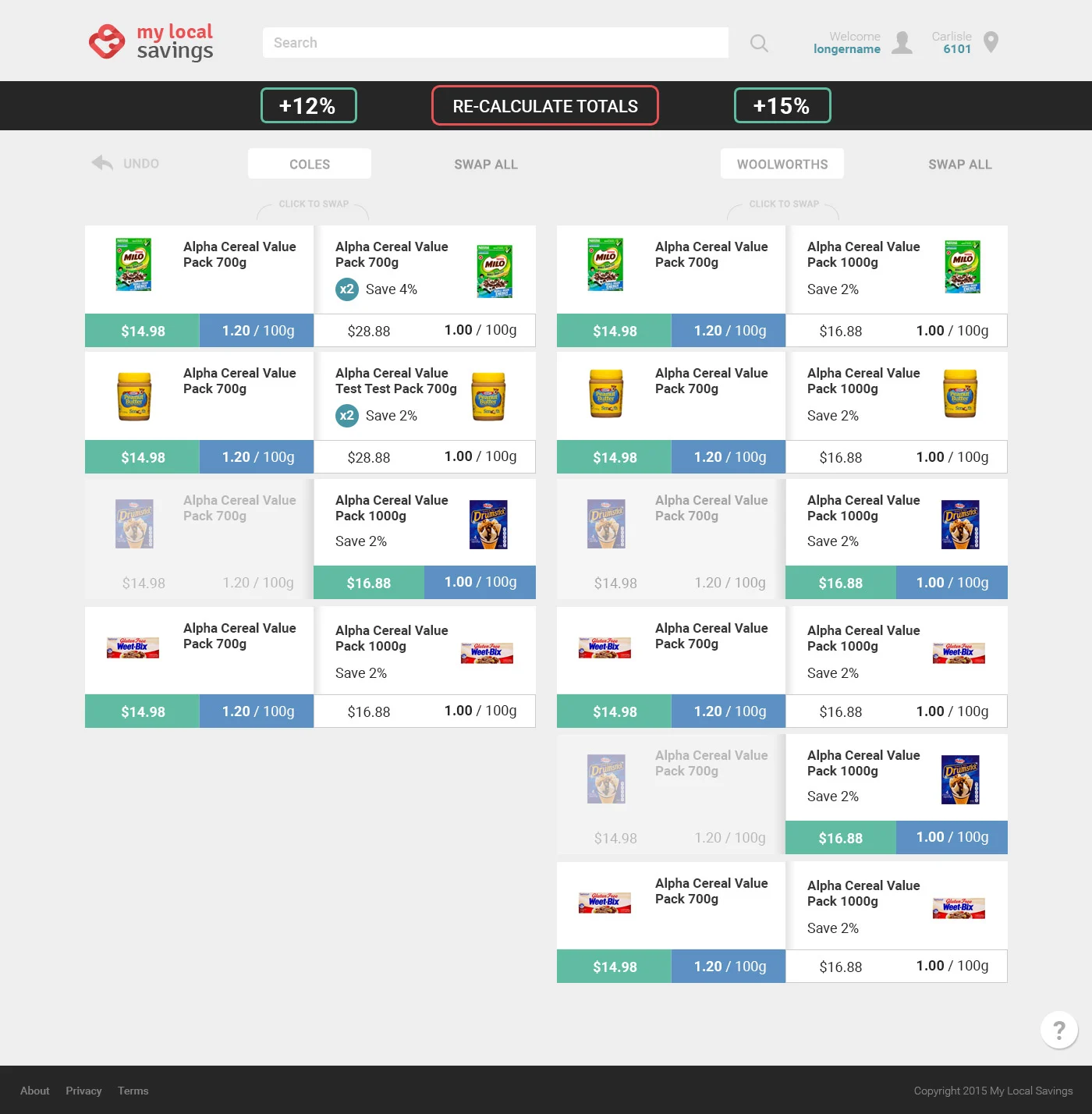
Low-fidelity layouts, content prioritisation, responsive wireframes. The structural blueprint before any visual design begins.

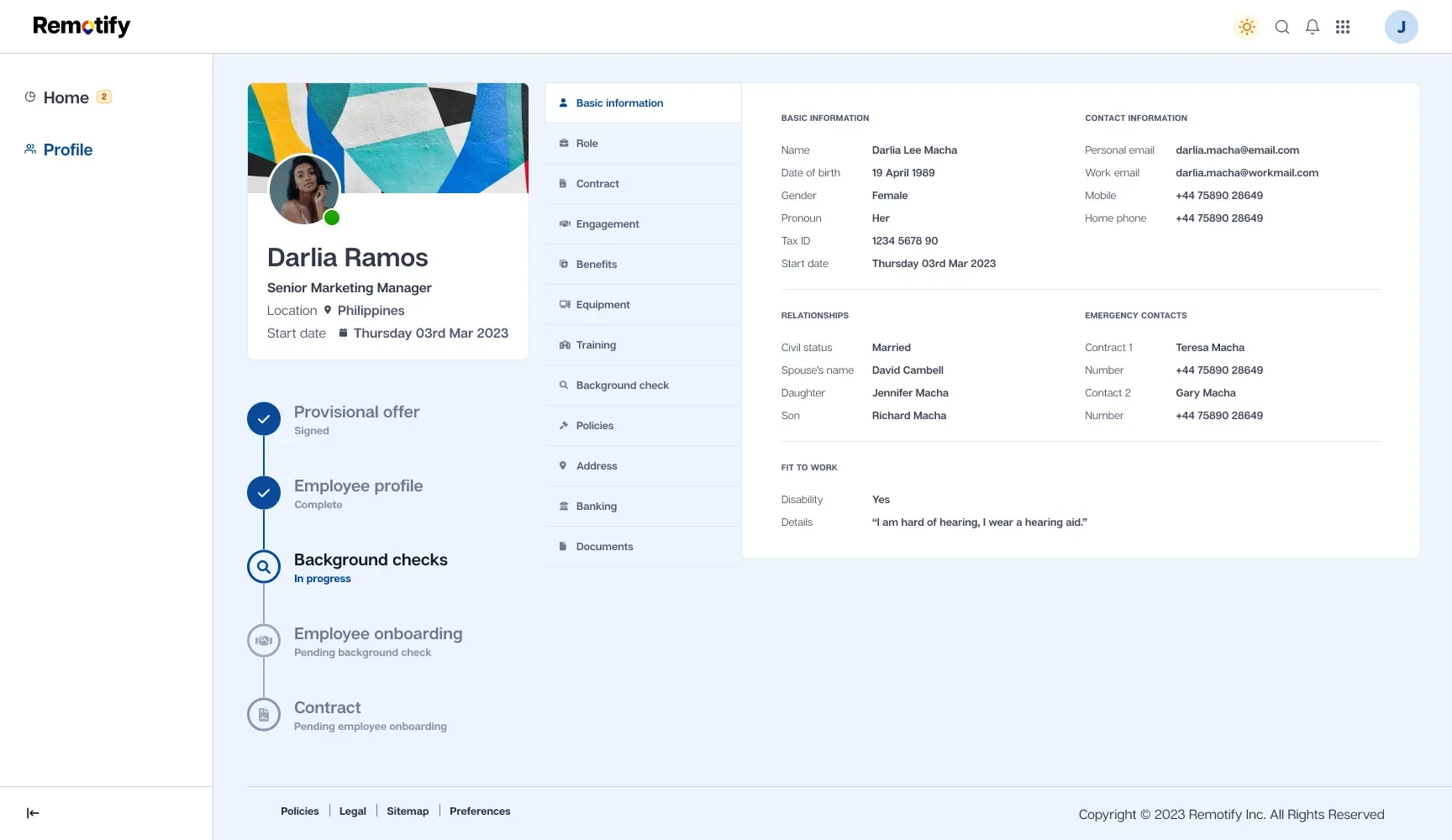
Prototyping

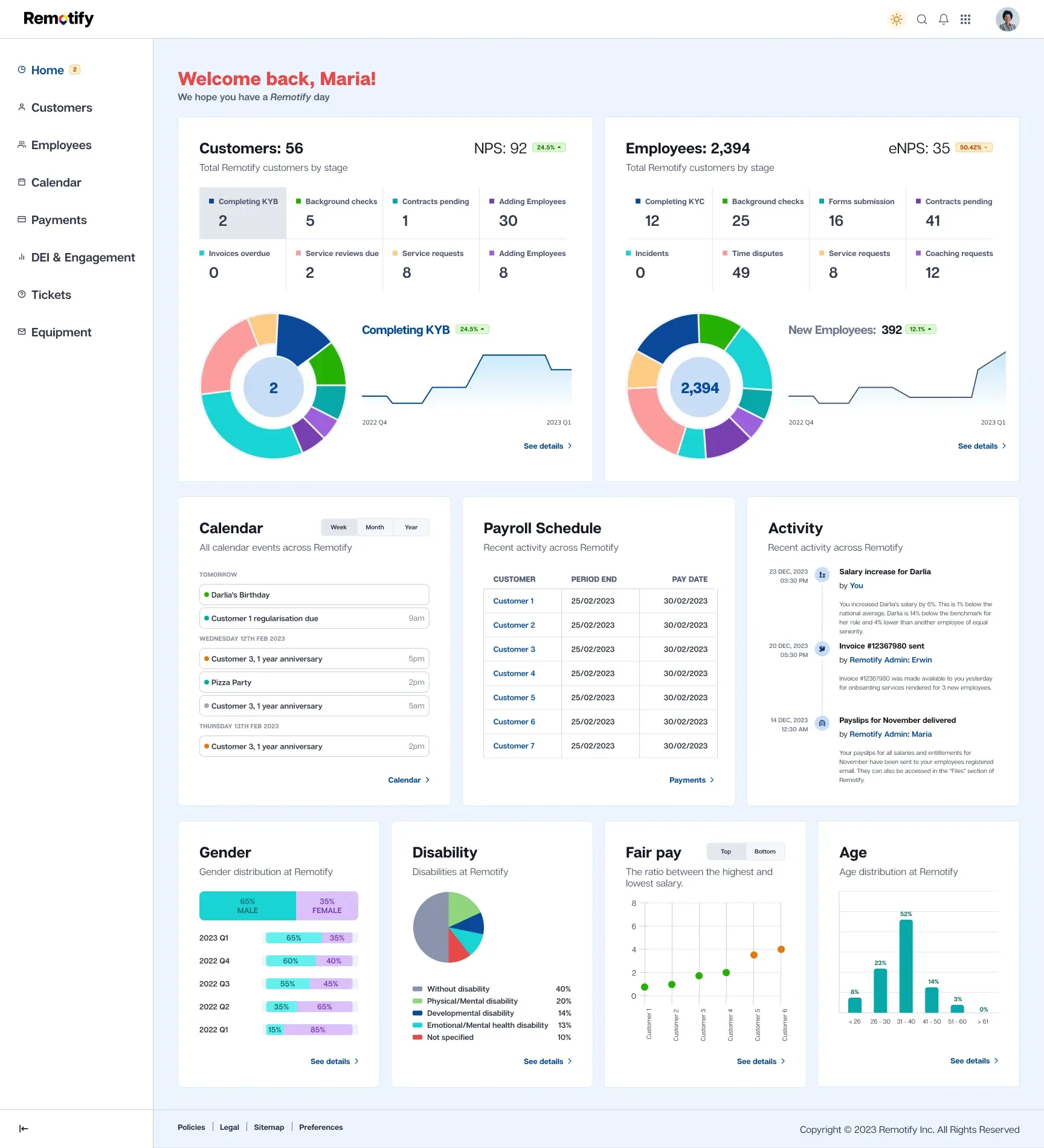
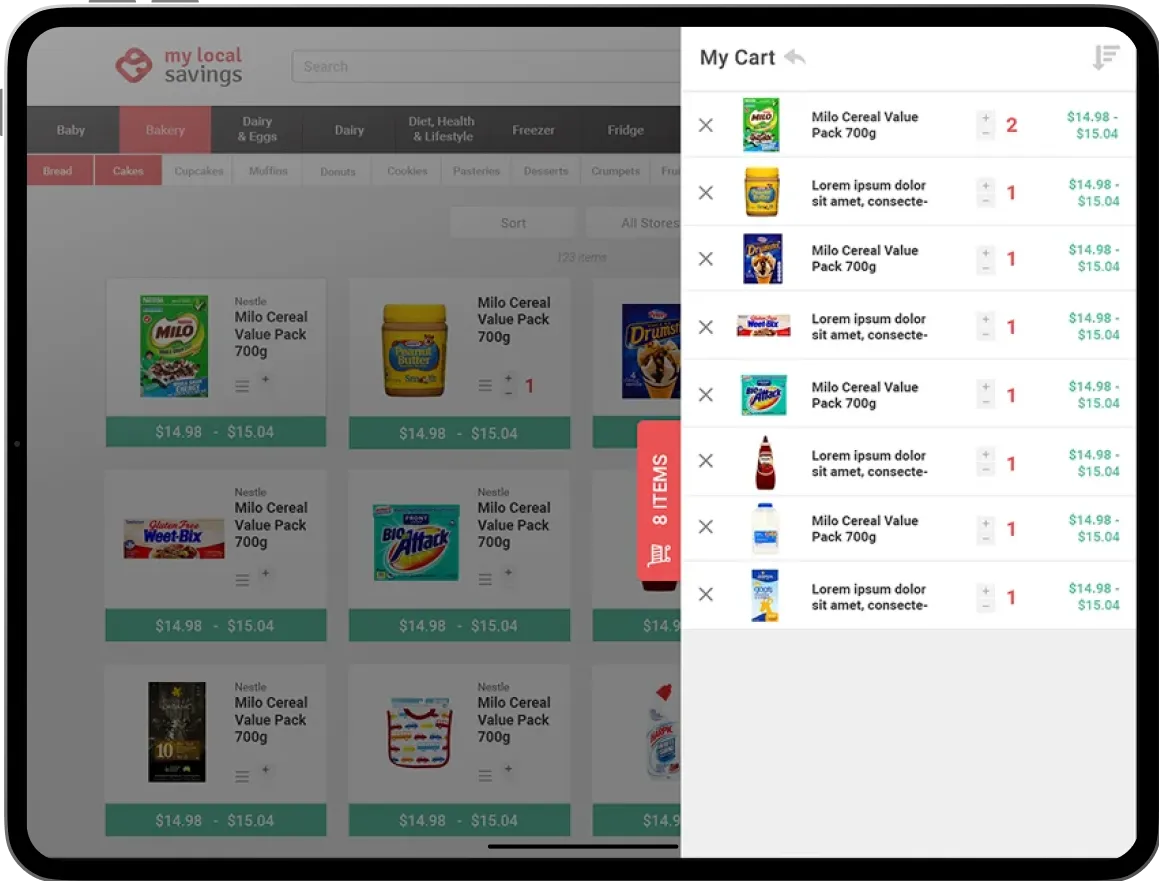
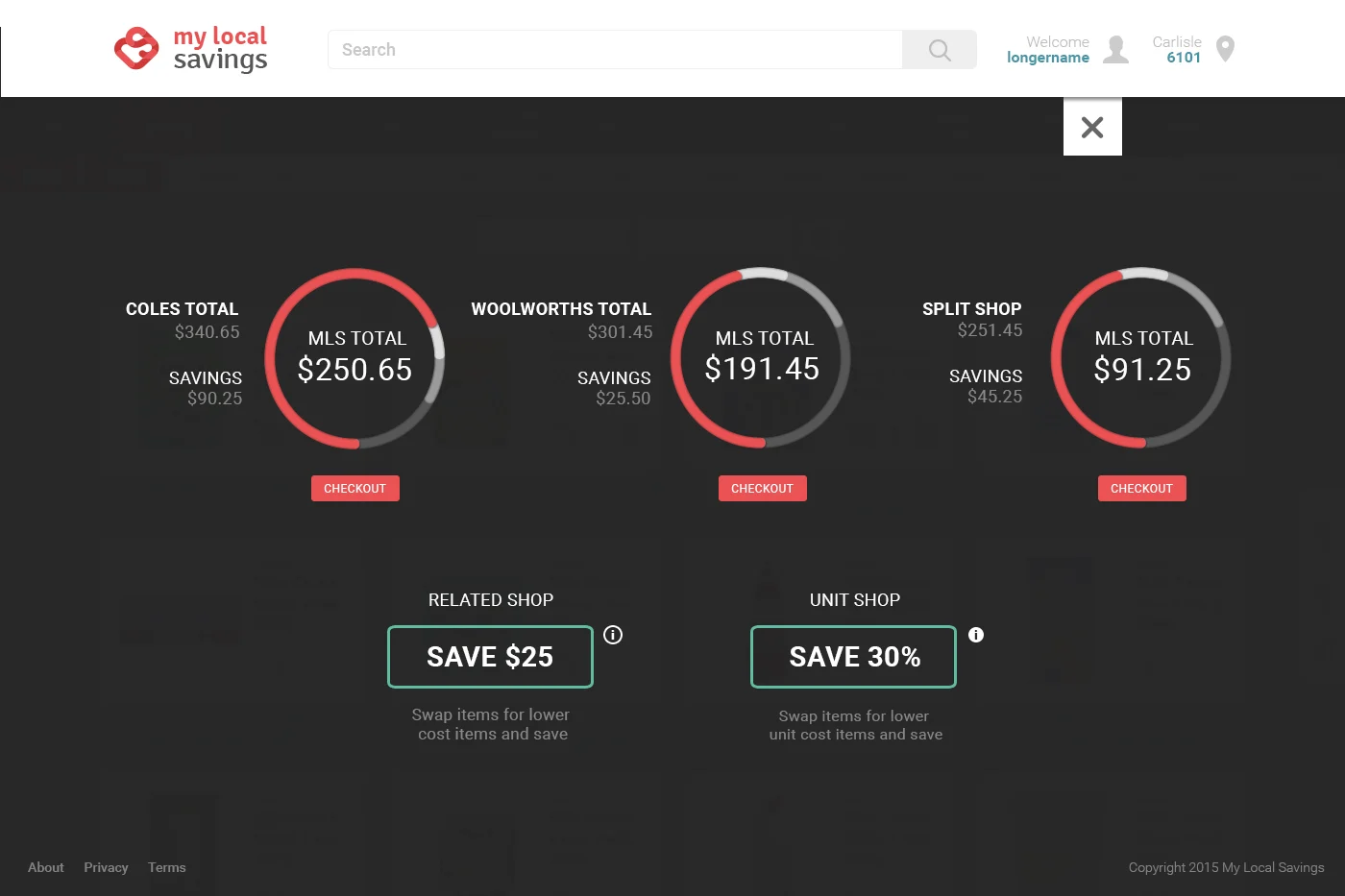
Interactive prototypes, click-through demos, user testing prototypes. Making ideas tangible and testable before building anything.

UX audit

Heuristic evaluation, accessibility review, conversion analysis. A thorough assessment of your existing product with a prioritised fix list.

Personas and scenarios

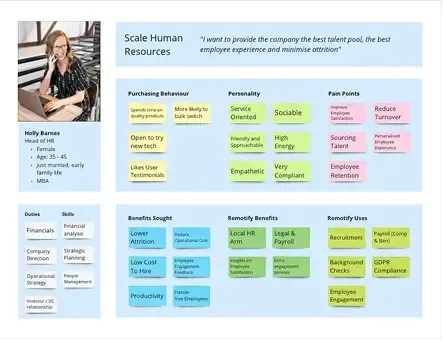
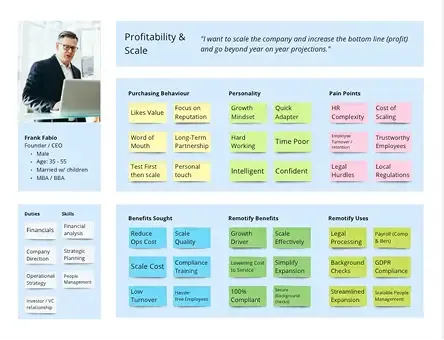
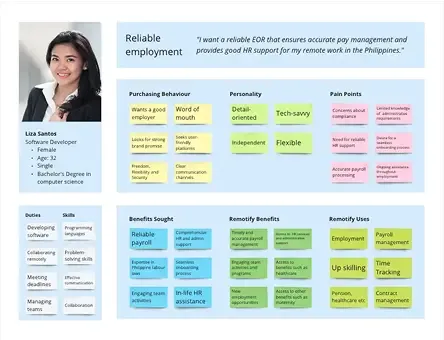
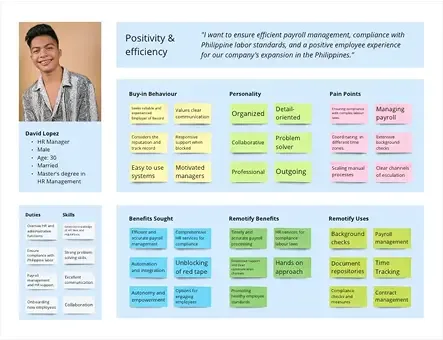
User personas, use cases, jobs-to-be-done. Giving your team a shared understanding of who you're designing for.

Content strategy

Content audit, content hierarchy, content planning. Making sure the right content is in the right place at the right time.

Deliverables

Research reports, user personas, journey maps, site maps, wireframe decks, interactive prototypes (Figma), UX audit reports, content plans, IA documentation, usability test reports, recommendations decks.

Process

01

Research

Understanding your users, your business goals, and the competitive landscape.

02

Define

Synthesising research into personas, journey maps, and a clear problem statement.

03

Ideate

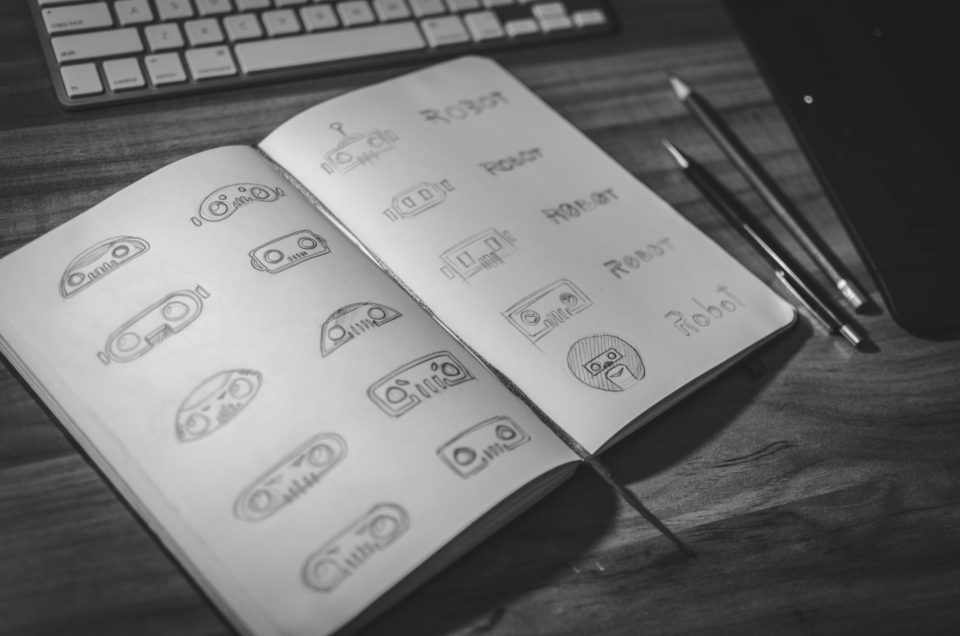
Exploring solutions through sketches, wireframes, and collaborative workshops.

04

Prototype

Building interactive prototypes that can be tested with real users.

05

Test

Validating designs through usability testing and iterating based on findings.

06

Iterate

Refining based on test results and preparing for visual design and development.

Frequently asked questions

What's the difference between UX and UI?

UX (user experience) is about how something works: the structure, flows, and logic. UI (user interface) is about how it looks: the visual design, colours, and typography. I do both, but they're different disciplines that happen at different stages.

Do you do user research?

Yes. Research is where every good UX project starts. Interviews, surveys, usability testing, analytics review, and competitor analysis. The depth depends on the project scope and budget.

Can you audit my existing product?

Absolutely. A UX audit evaluates your current product against usability heuristics, accessibility standards, and conversion best practices. You get a prioritised report of what to fix and why.

How do you test designs with users?

Interactive prototypes tested with real users, either moderated (I watch and ask questions) or unmoderated (remote testing at scale). I can also run A/B tests on live products.

What tools do you use for UX?

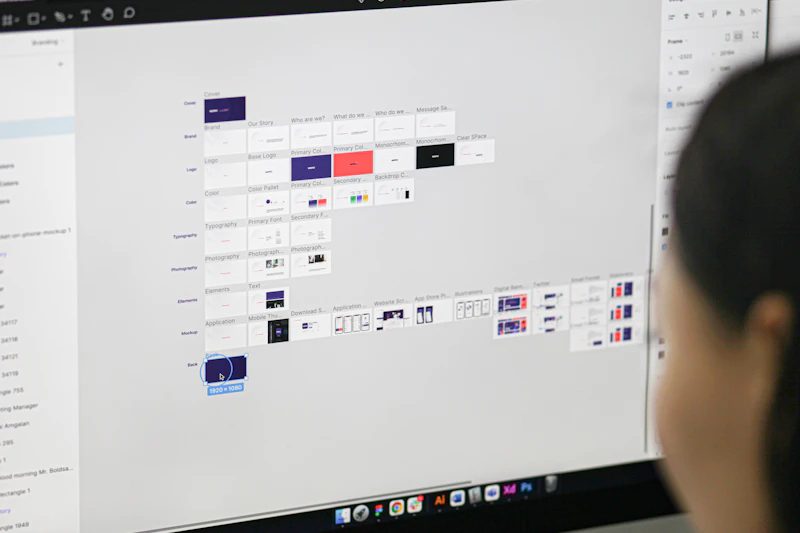
Figma for wireframes and prototypes, Miro or FigJam for workshops and mapping, and various research tools depending on the project. Everything is shared and collaborative.

Let's work together

Senior design expertise, direct collaboration, no overhead.

Get in touch