AI Integration

AI that earns its place, not AI for the sake of it

Person typing into a generative AI chat interface on a laptop, with the response streaming on screen

Useful work, not theatre.
The teams getting value from AI are the ones with senior judgement steering it. I bring 18 years of design experience to the parts AI cannot do on its own.
Useful, not hype

AI gets used where it makes the work measurably faster or better. Everywhere else, it stays out of the way.

Augment, not replace

AI is a tool for senior people, not a substitute for them. The judgement still has to come from somewhere.

Workflow over toolset

The tool matters less than the process around it. I focus on the workflow, the prompts and the guardrails first.

Transparent by default

Users should know when they are talking to AI, where its output came from, and what to do when it gets things wrong.

  • 01

    Tool selection

    Evaluating which AI tools fit your team, your stack and your budget. Cutting through the marketing noise to what actually earns its monthly fee.

  • 02

    Workflow integration

    Slotting AI into your existing design and development process where it saves real time. No big rip-and-replace, just smarter steps in the pipeline you already have.

  • 03

    Prompt systems

    Reusable prompts, briefs and structures for design, research and content tasks. So your team gets consistent, on-brand output instead of starting from scratch every time.

  • 04

    AI product UX

    Designing interfaces for products with AI under the hood. Trust signals, transparency, fallback states, and graceful handling of the inevitable wrong answer.

  • 05

    Team enablement

    Workshops, internal playbooks and patterns so the whole team can use AI confidently. Less prompting roulette, more repeatable results.

  • 06

    Guardrails and review

    Usage policies, review processes and brand-safe defaults for generative output. So nothing ships sounding like everyone else or breaching the legal lines.

  • 07

    AI design audit

    A clear-eyed review of your current AI workflow or AI-powered product. What is working, what is theatre, and a prioritised list of what to fix first.

AI that earns its place

Half the tools your team has bought a subscription to are gathering dust. I look at what people actually do every day, where the time really goes, and pick the two or three AI moves that pay back the investment. Everything else gets cut.

Interfaces people can actually trust

AI features fail when users cannot tell what the system is doing, where its answer came from, or what to do when it is wrong. I design the trust signals, source attribution, confidence cues and fallback states that turn an AI feature from a parlour trick into a tool people rely on.

Workflows the team will actually adopt

A new tool only earns its place if people use it the next week, and the week after that. Prompt libraries, internal playbooks and short workshops mean the team gets the value without becoming dependent on the one person who has worked out how to prompt it well.

Abstract neural network visualisation showing connected glowing nodes on a dark background
Laptop screen showing an AI assistant interface with a clean chat conversation
Two team members sitting side by side at a table, collaborating on laptops

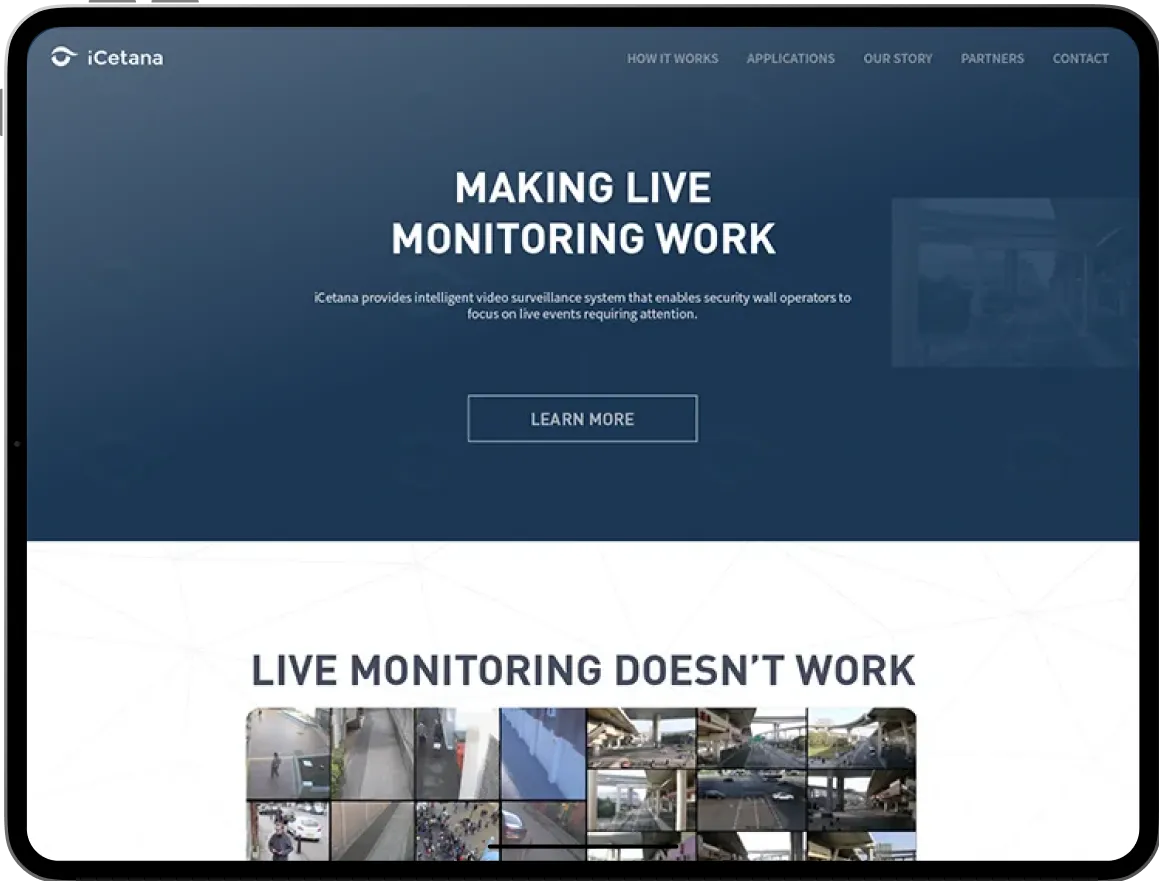
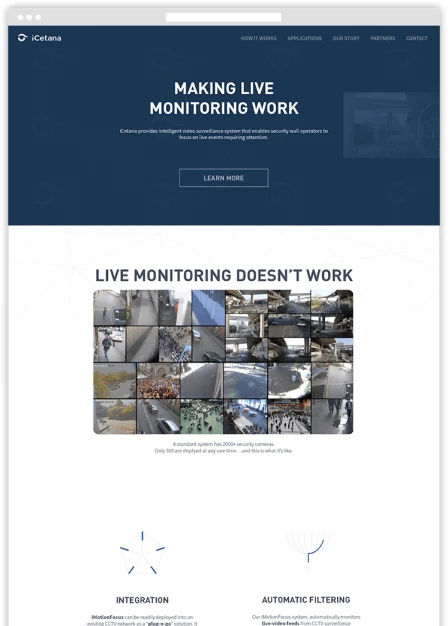
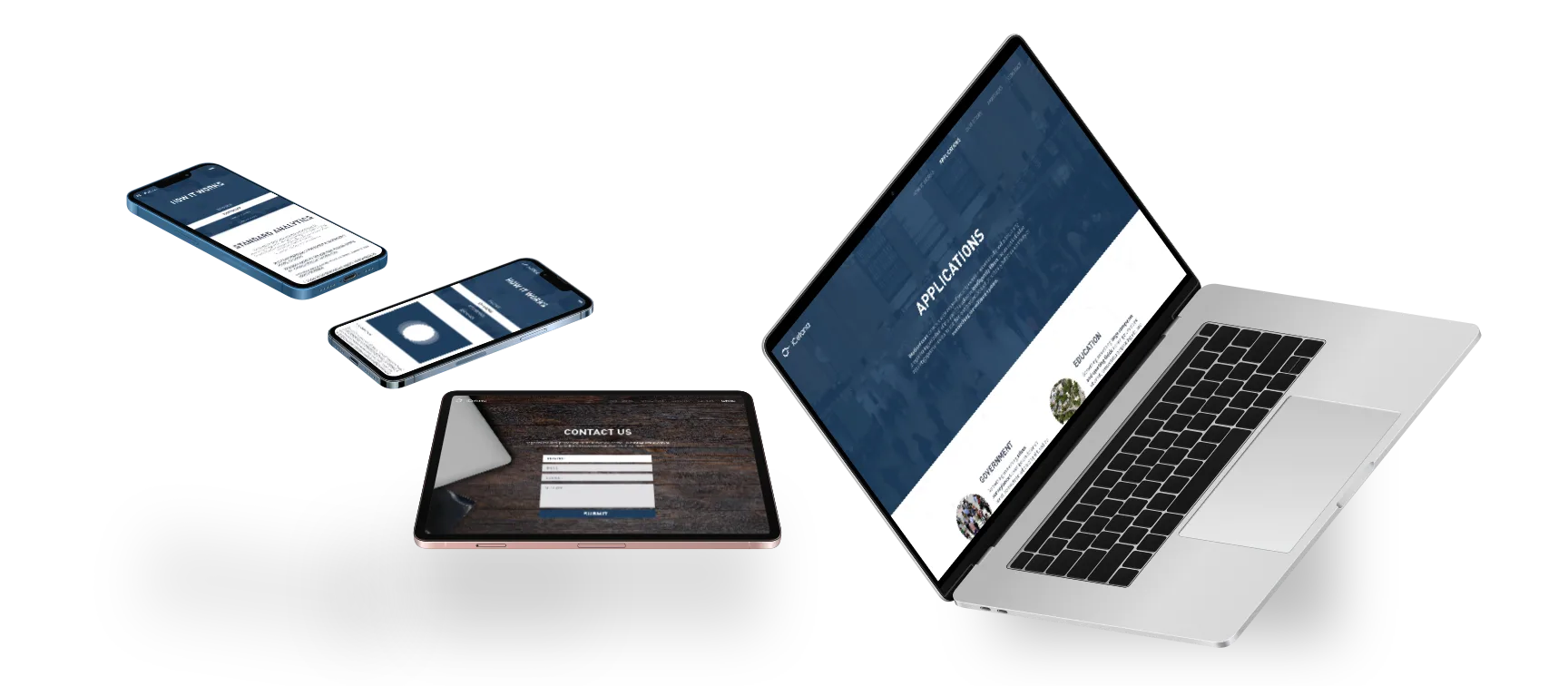
iCetana

Branding and website for an AI-powered surveillance analytics platform. Trust-first visual identity.

View project

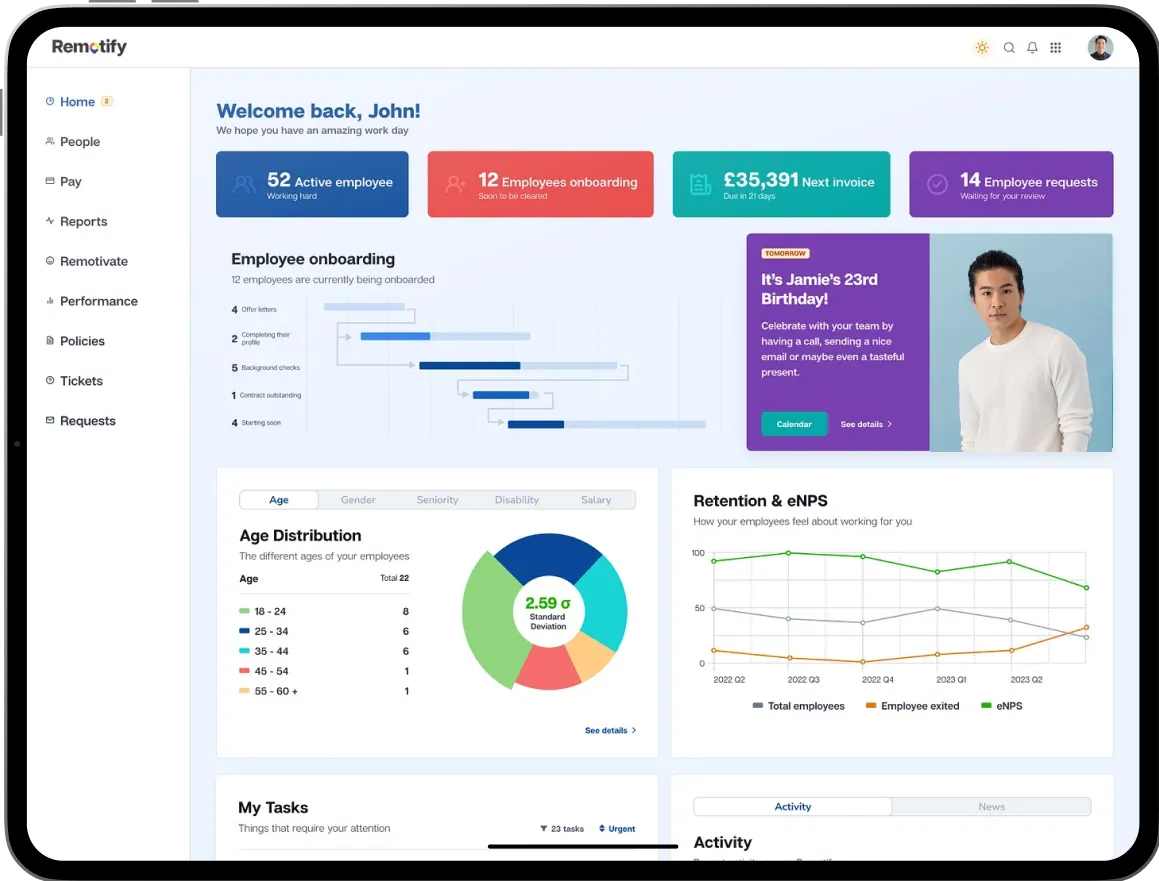
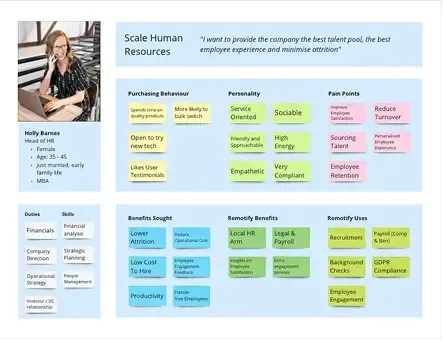
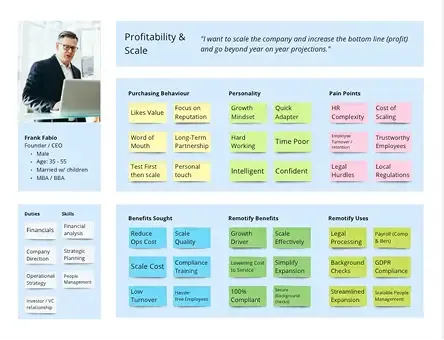
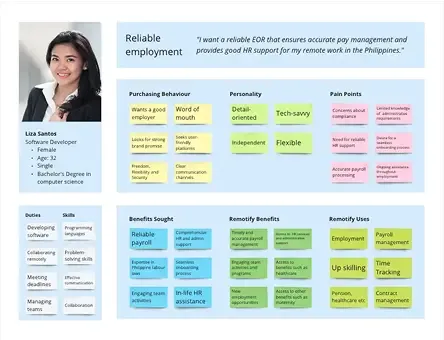
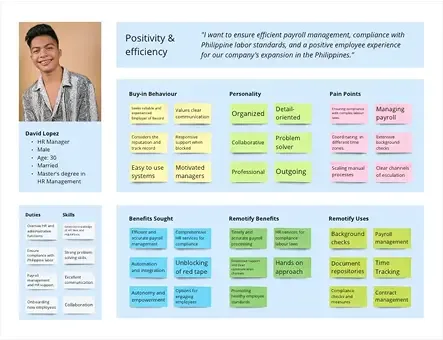
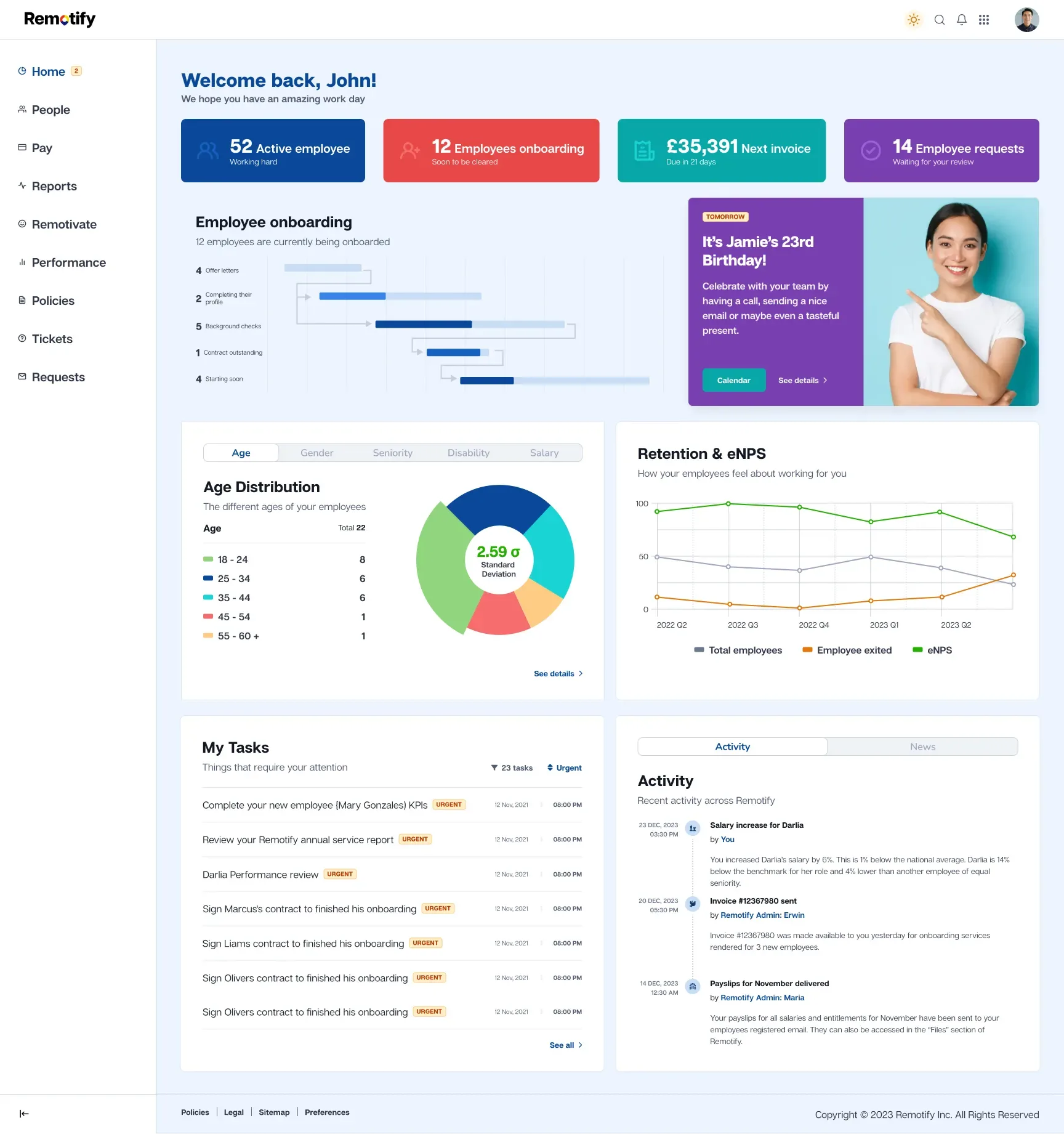
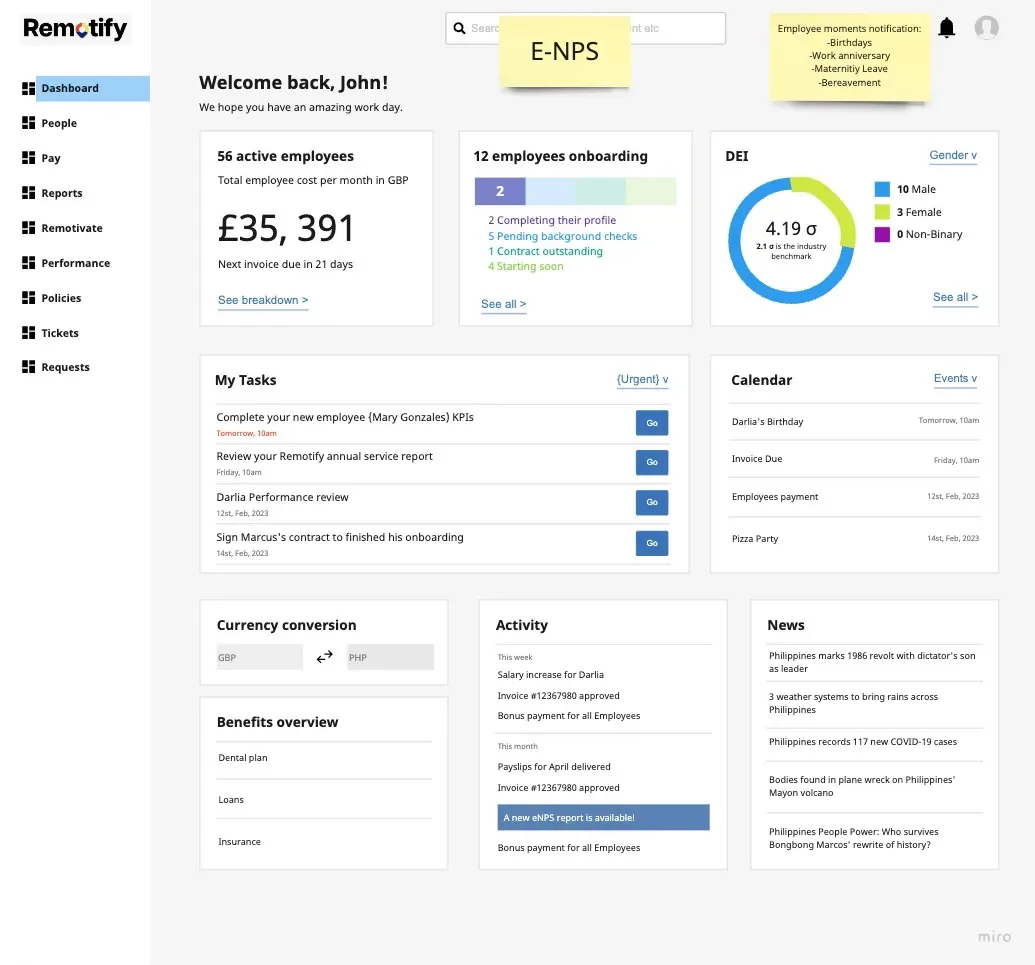
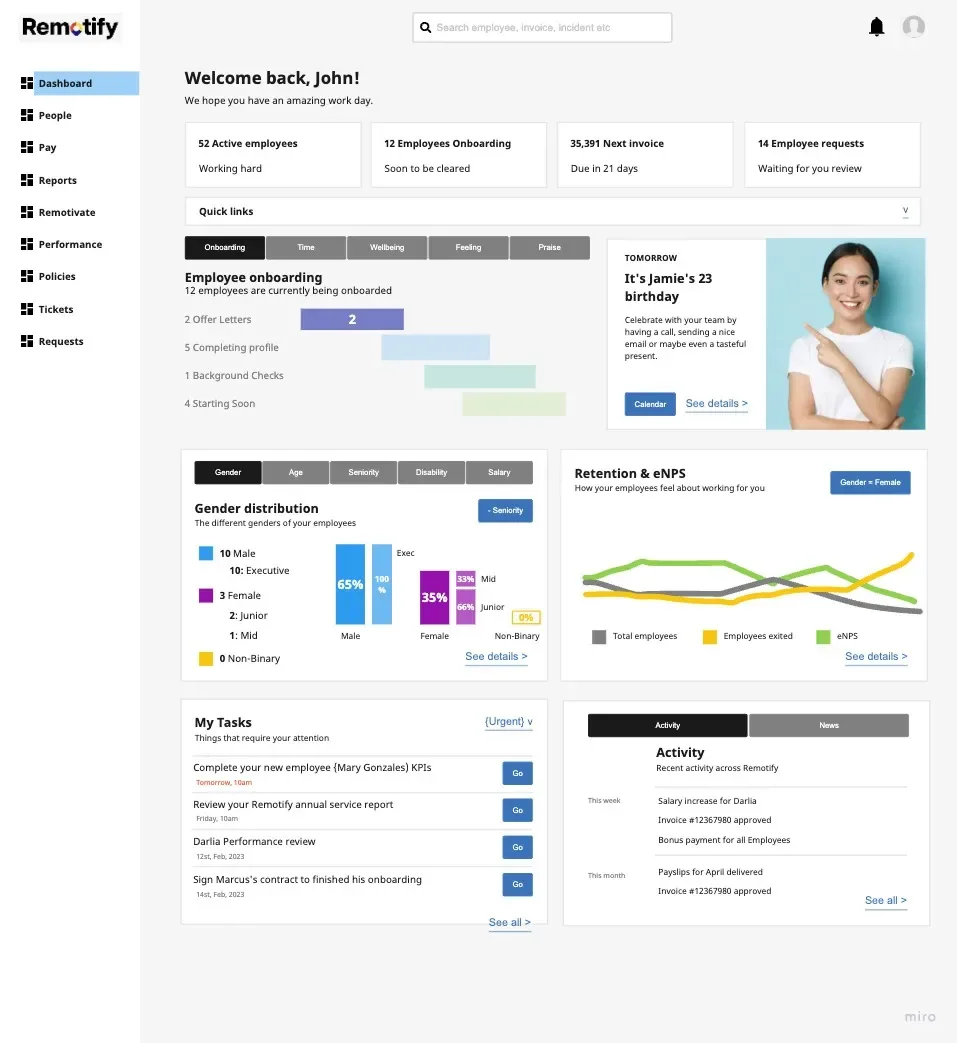
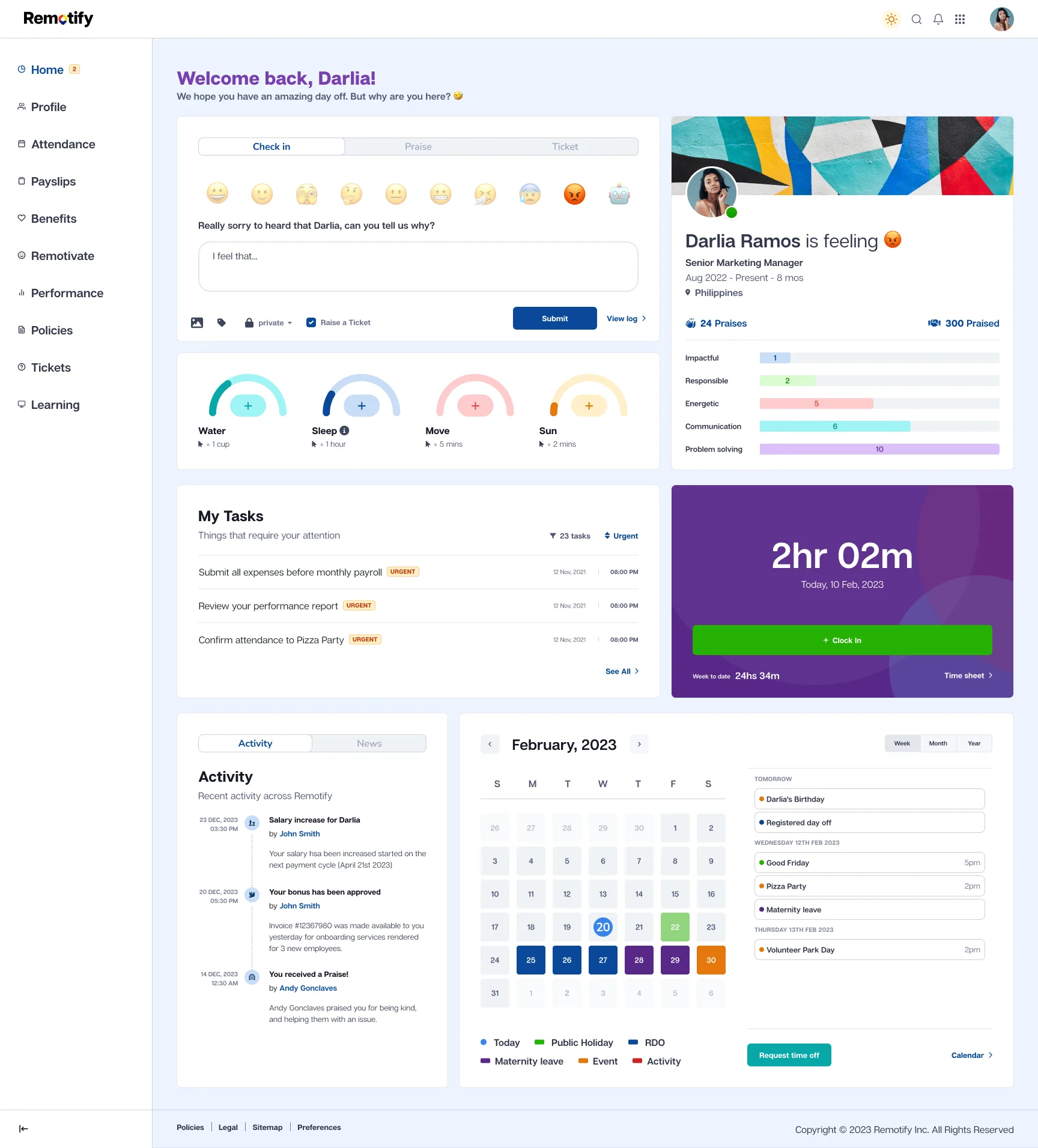
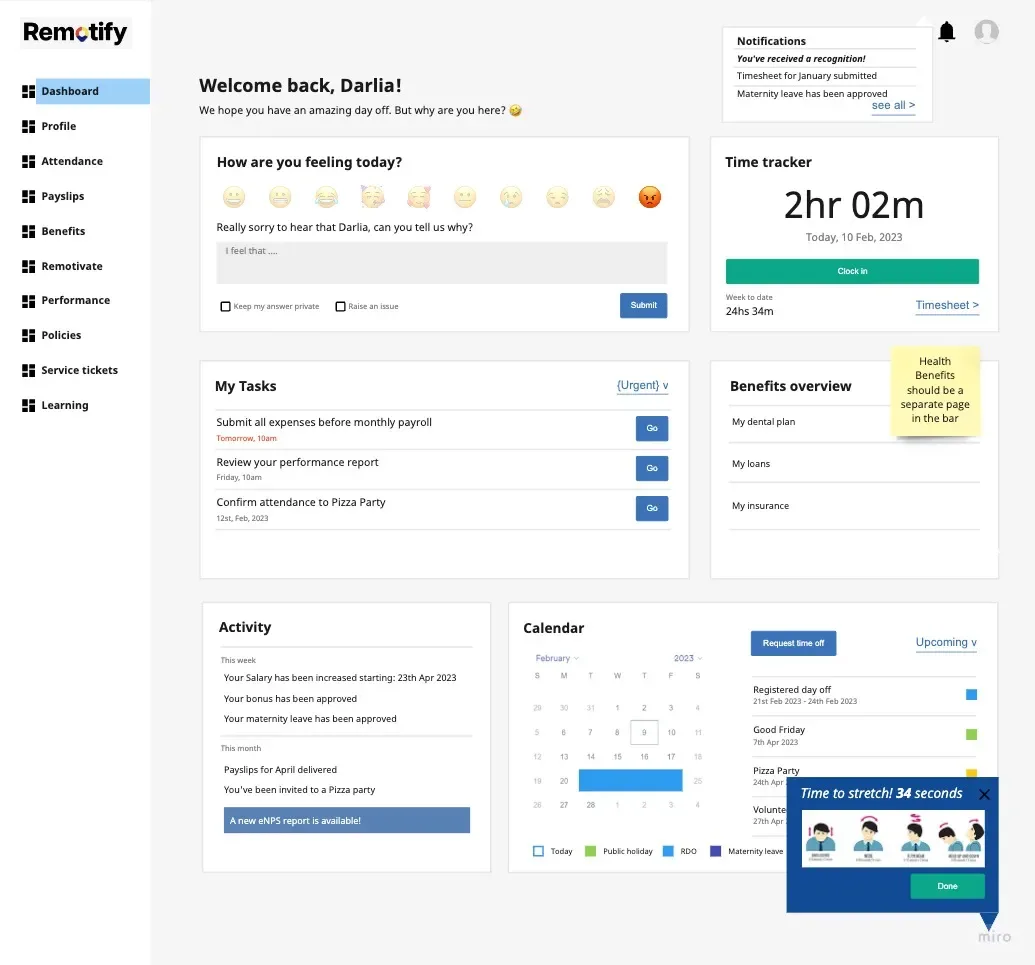
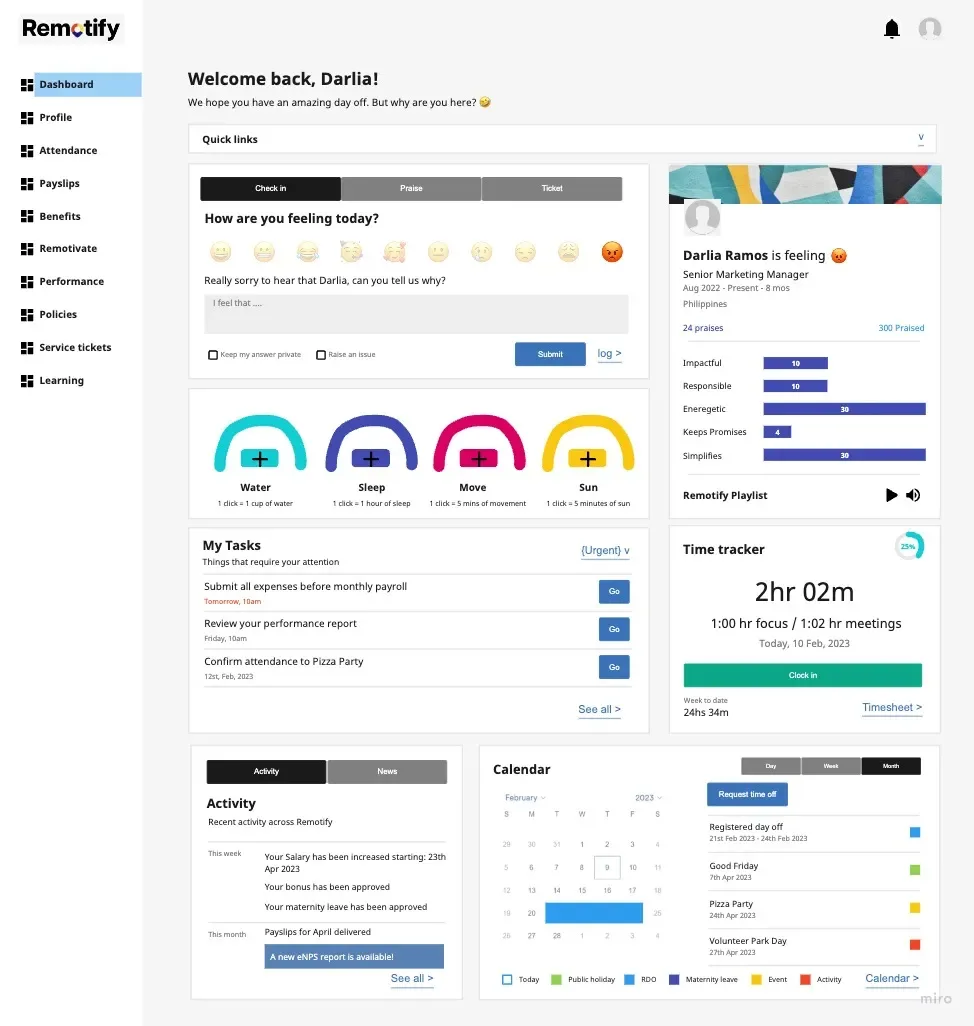
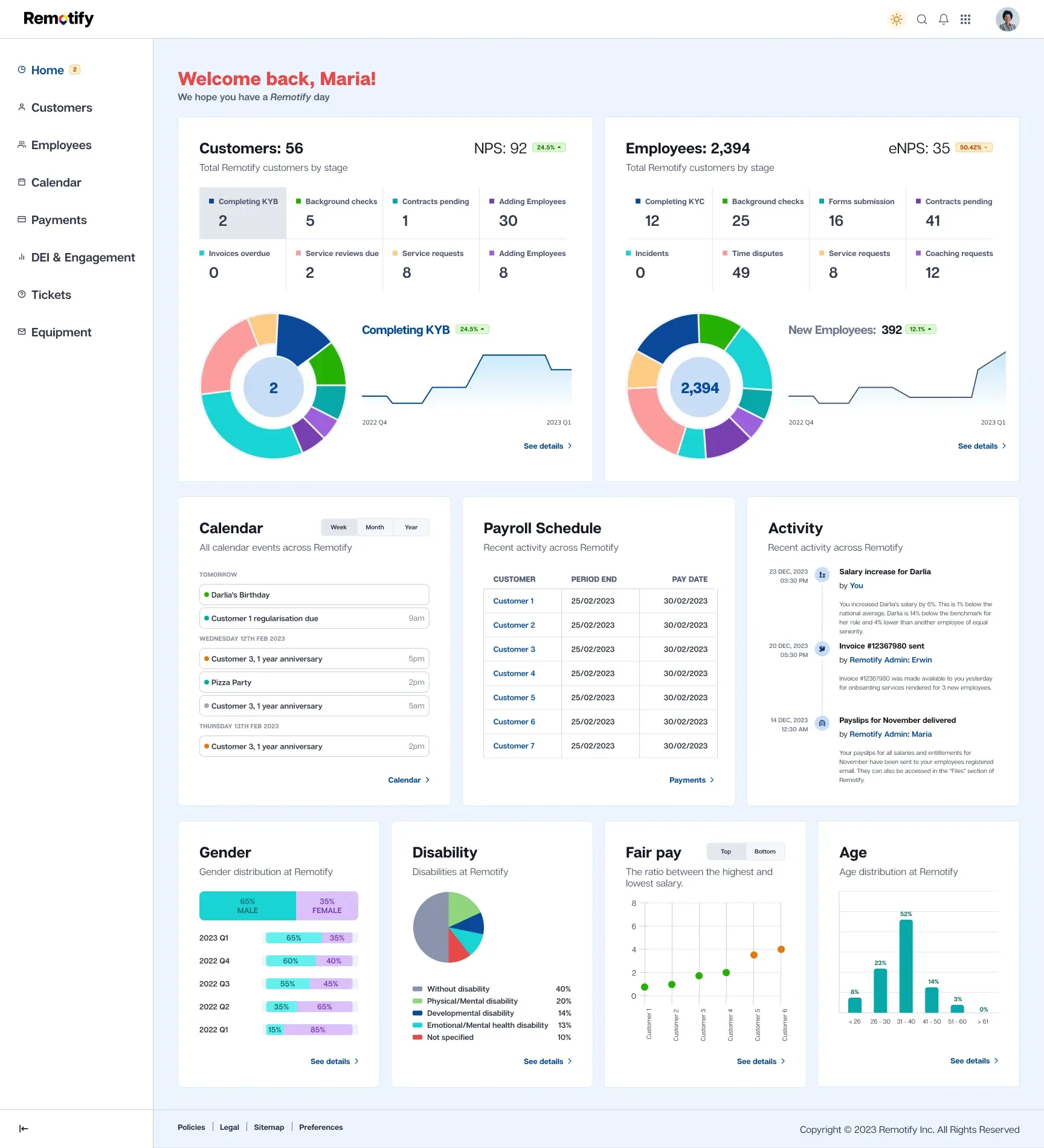
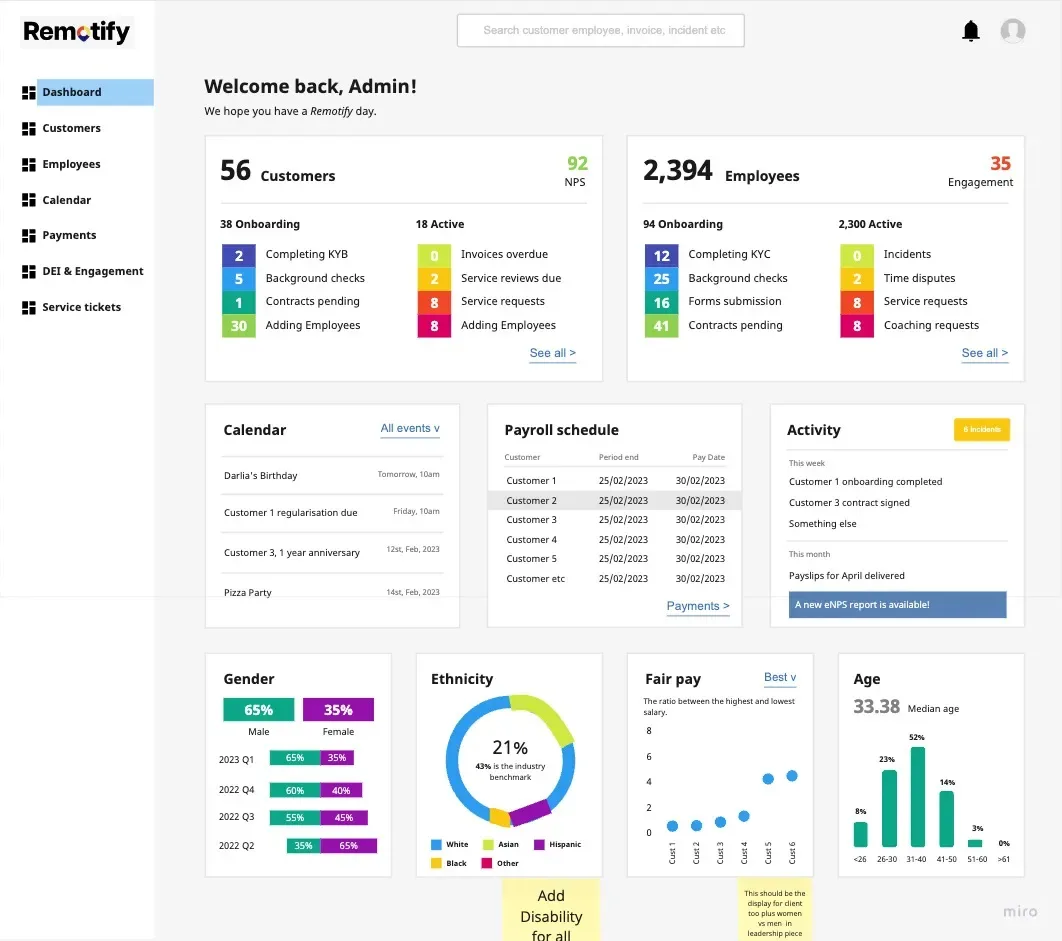
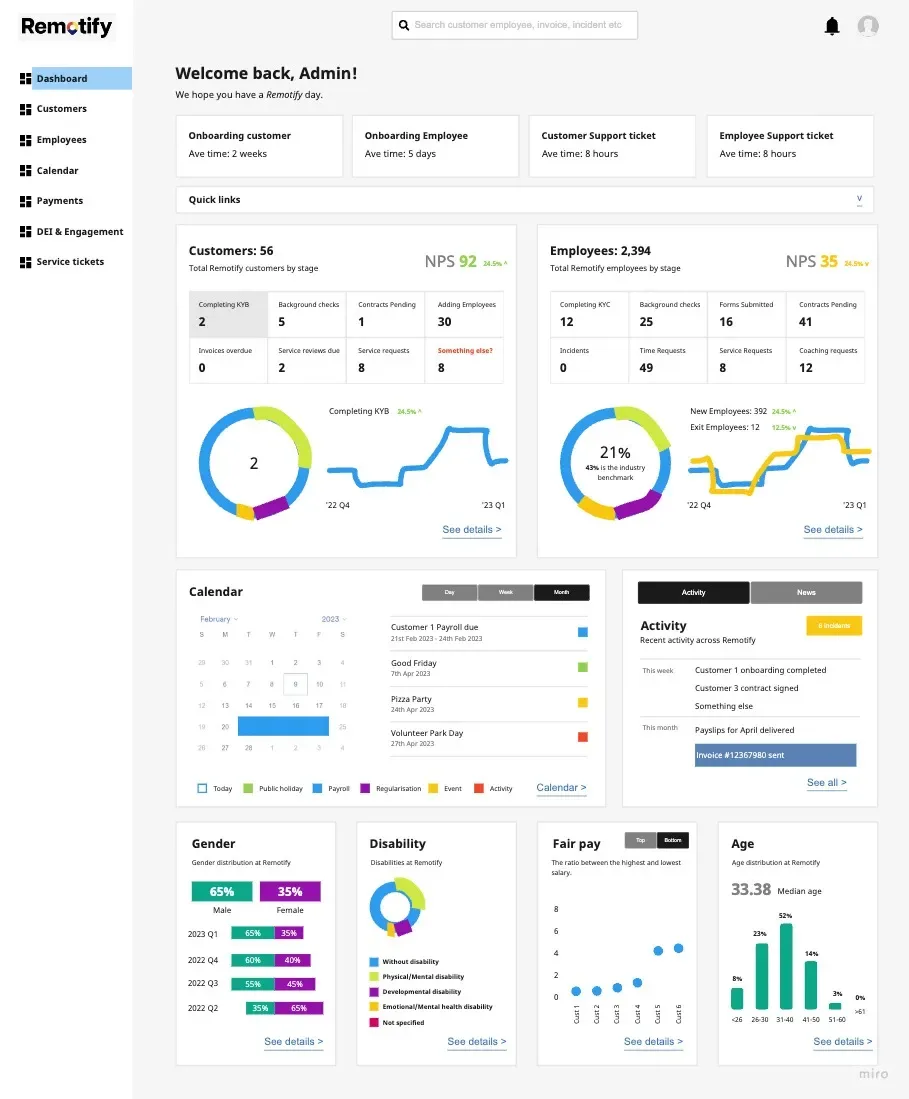
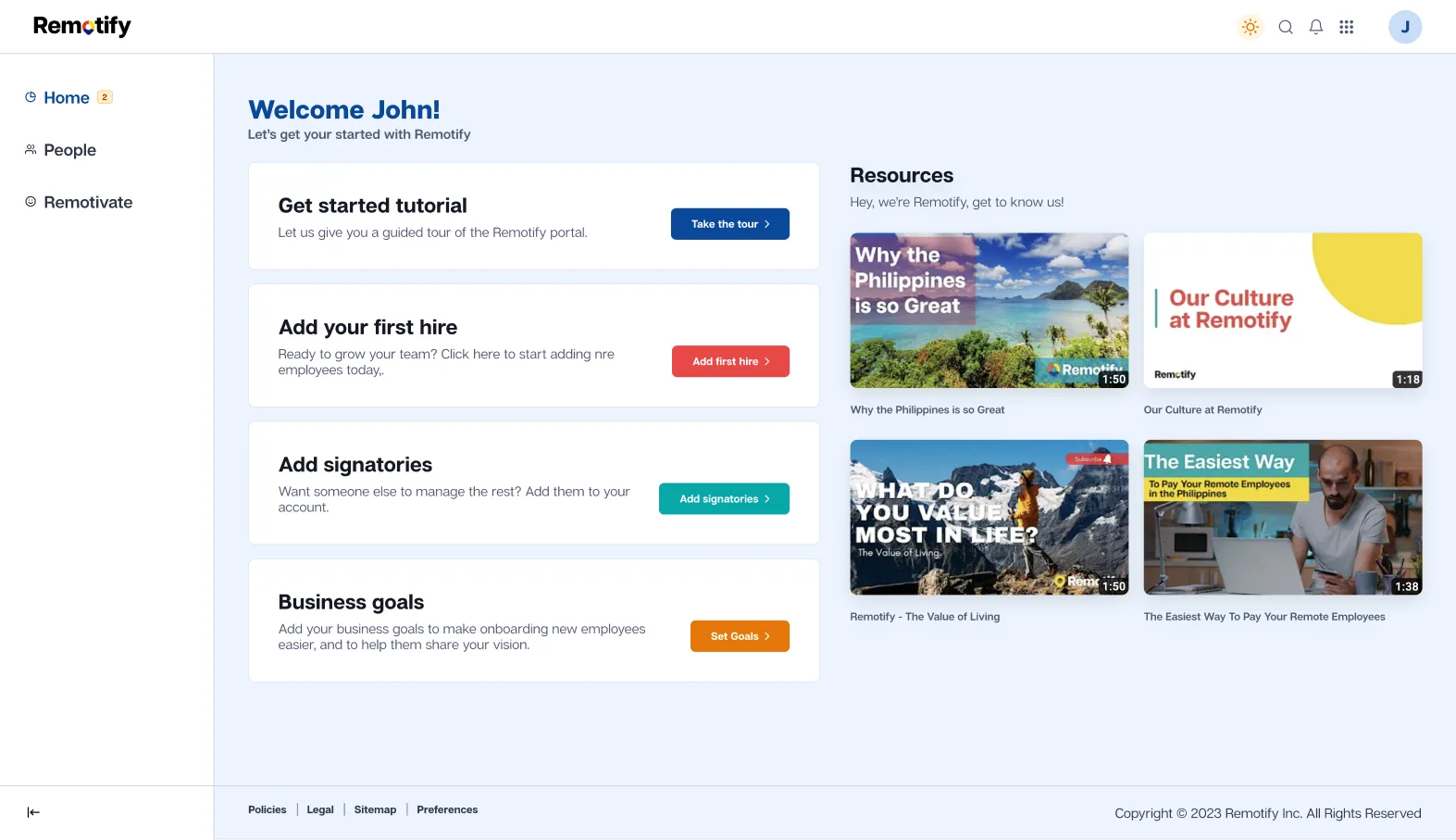
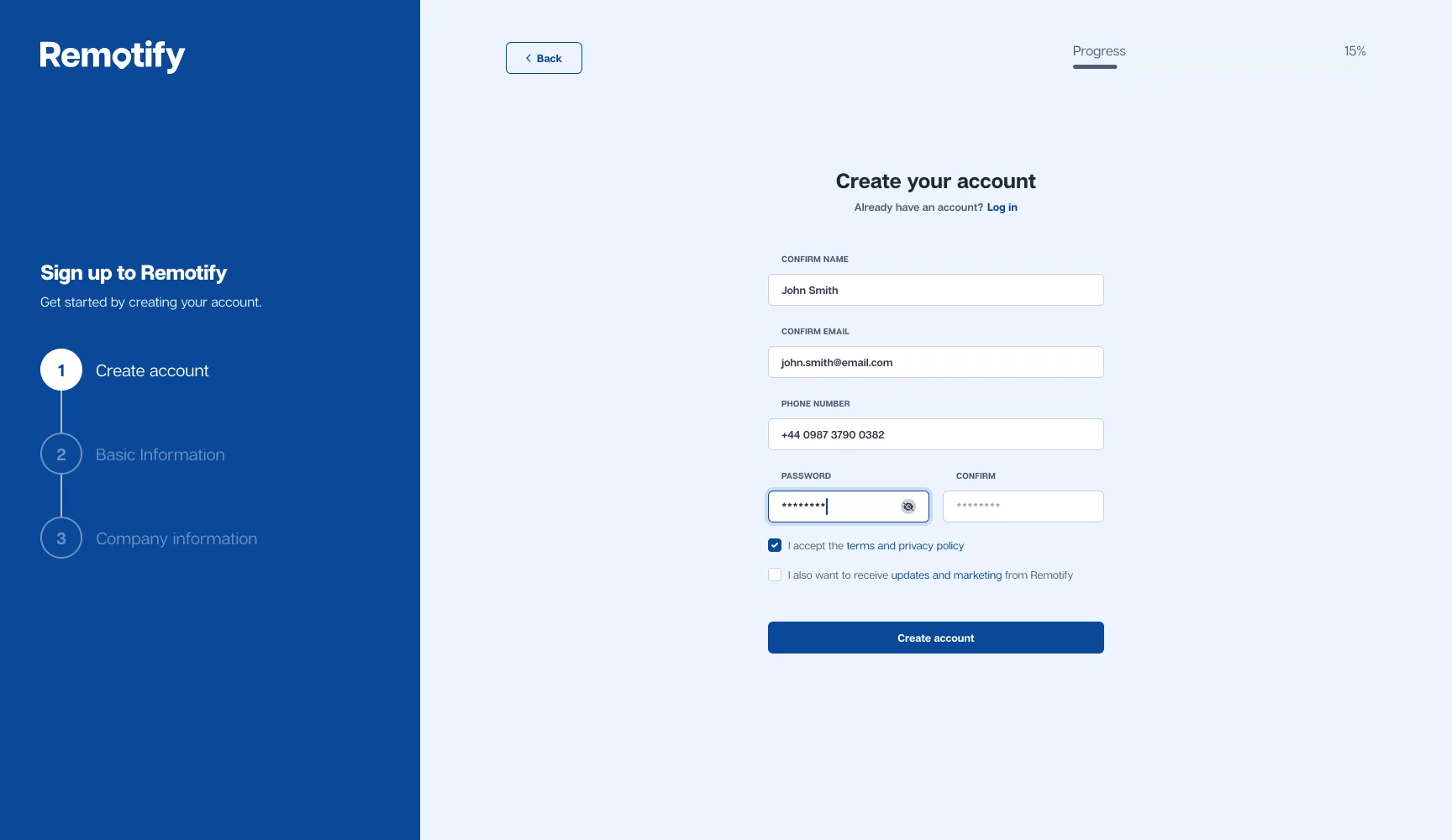
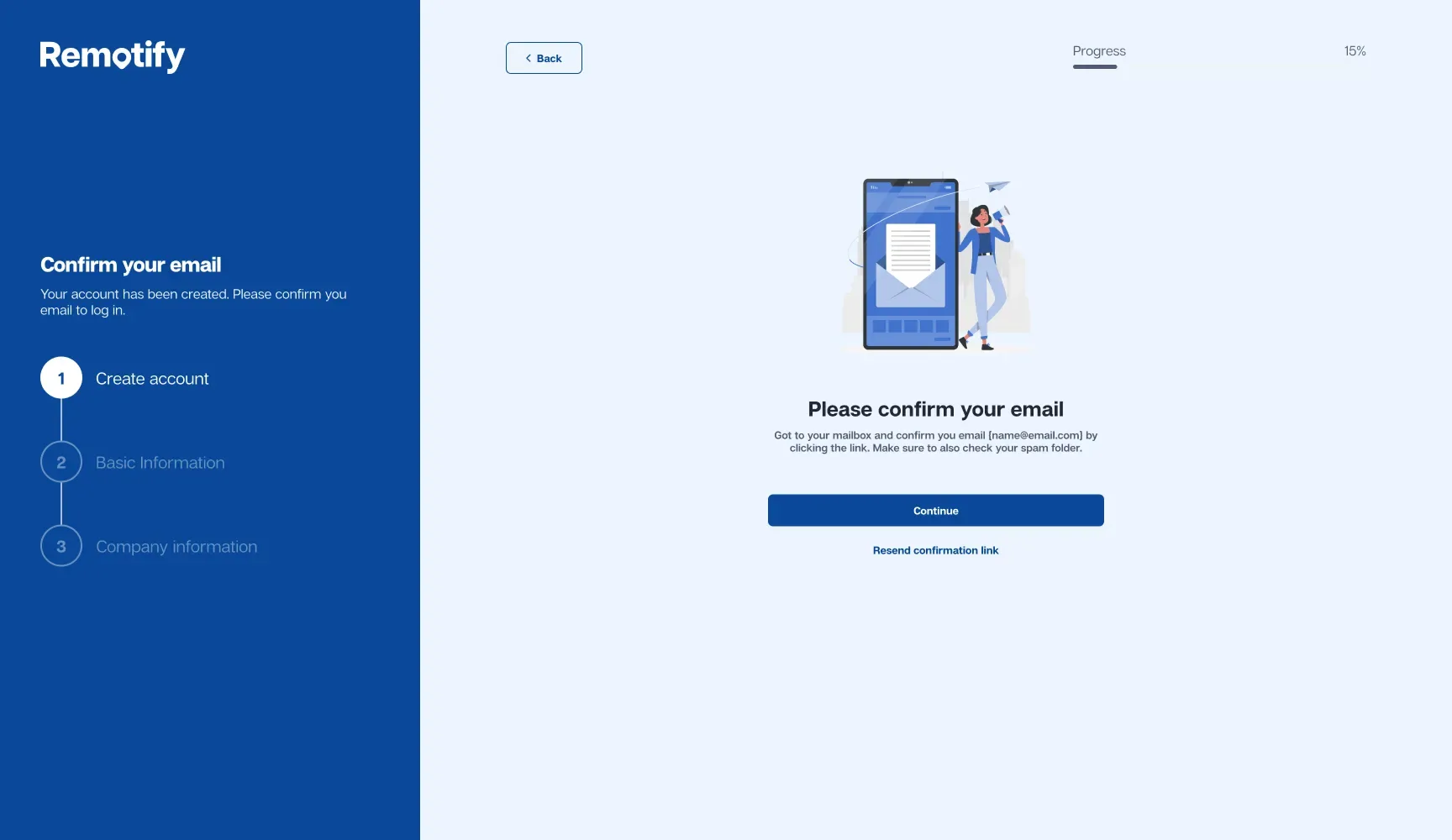
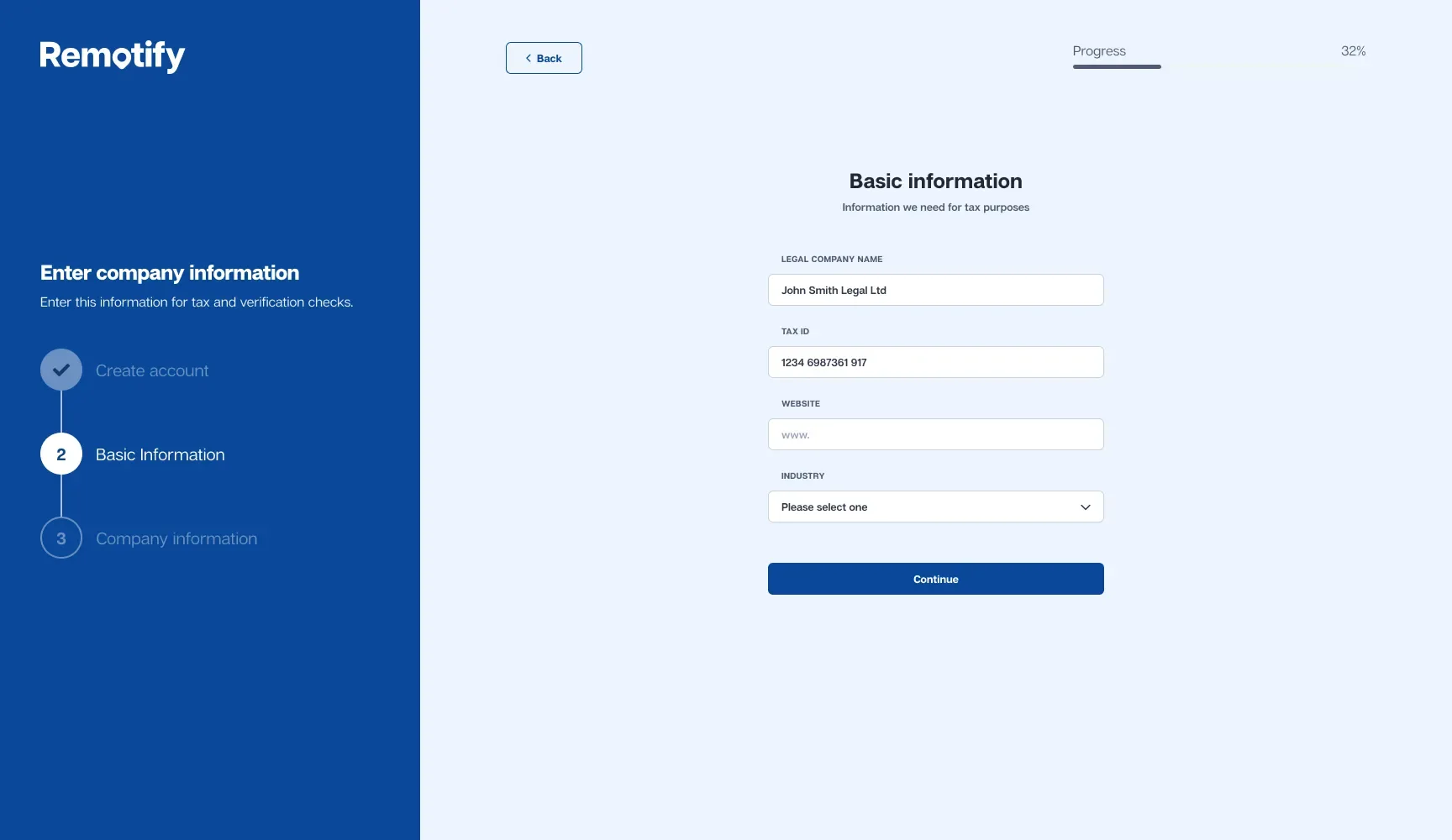
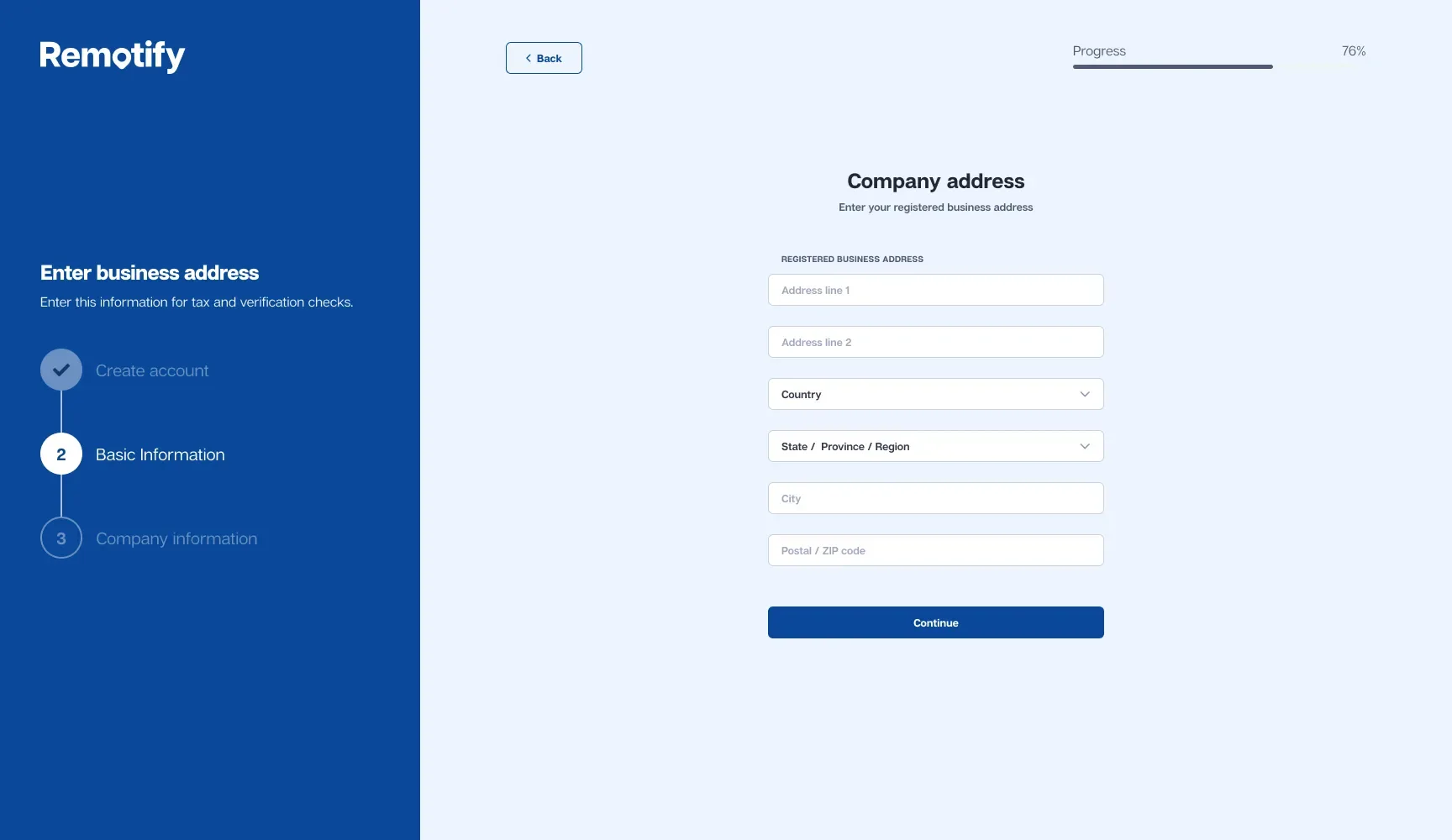
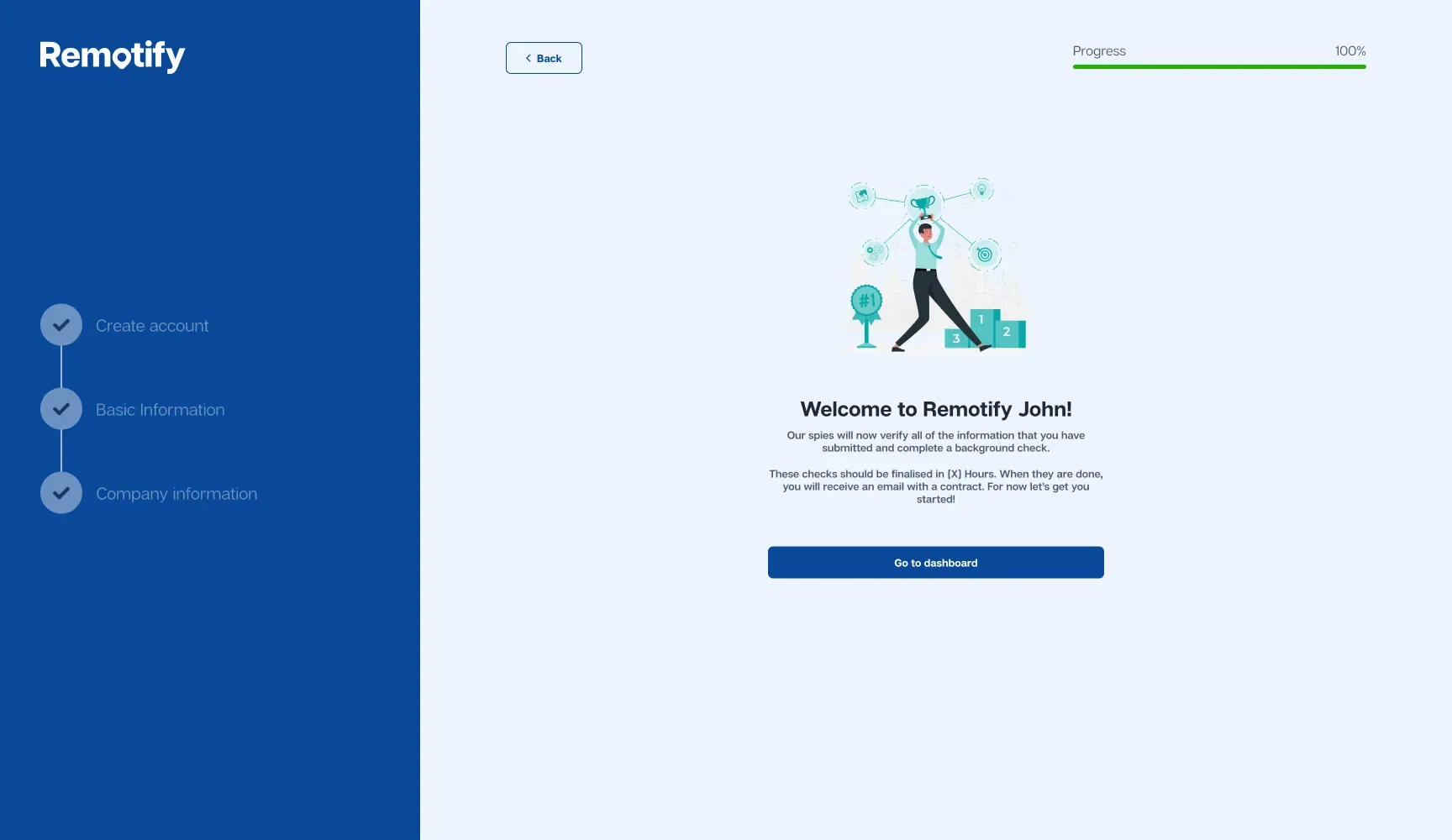
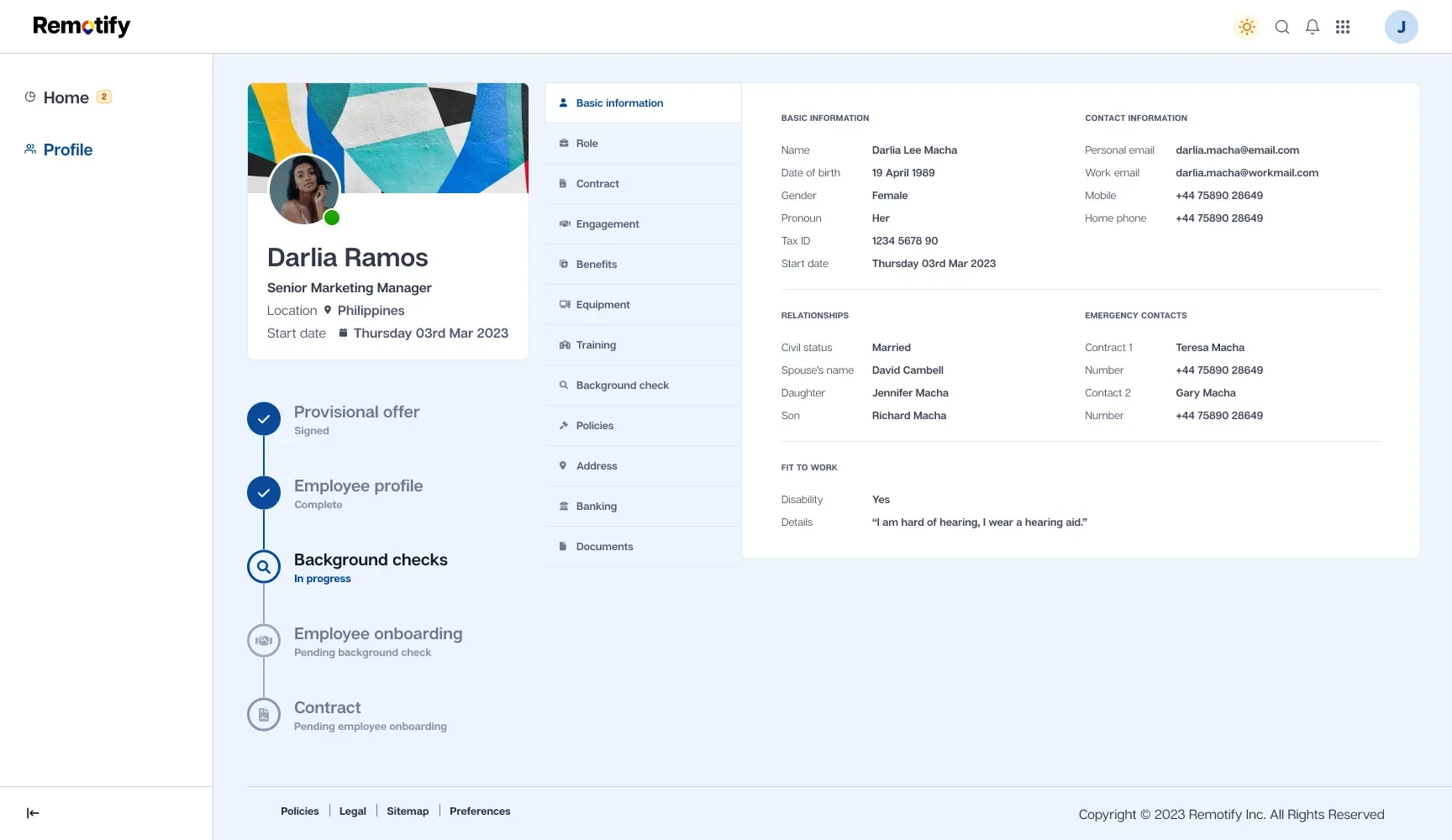
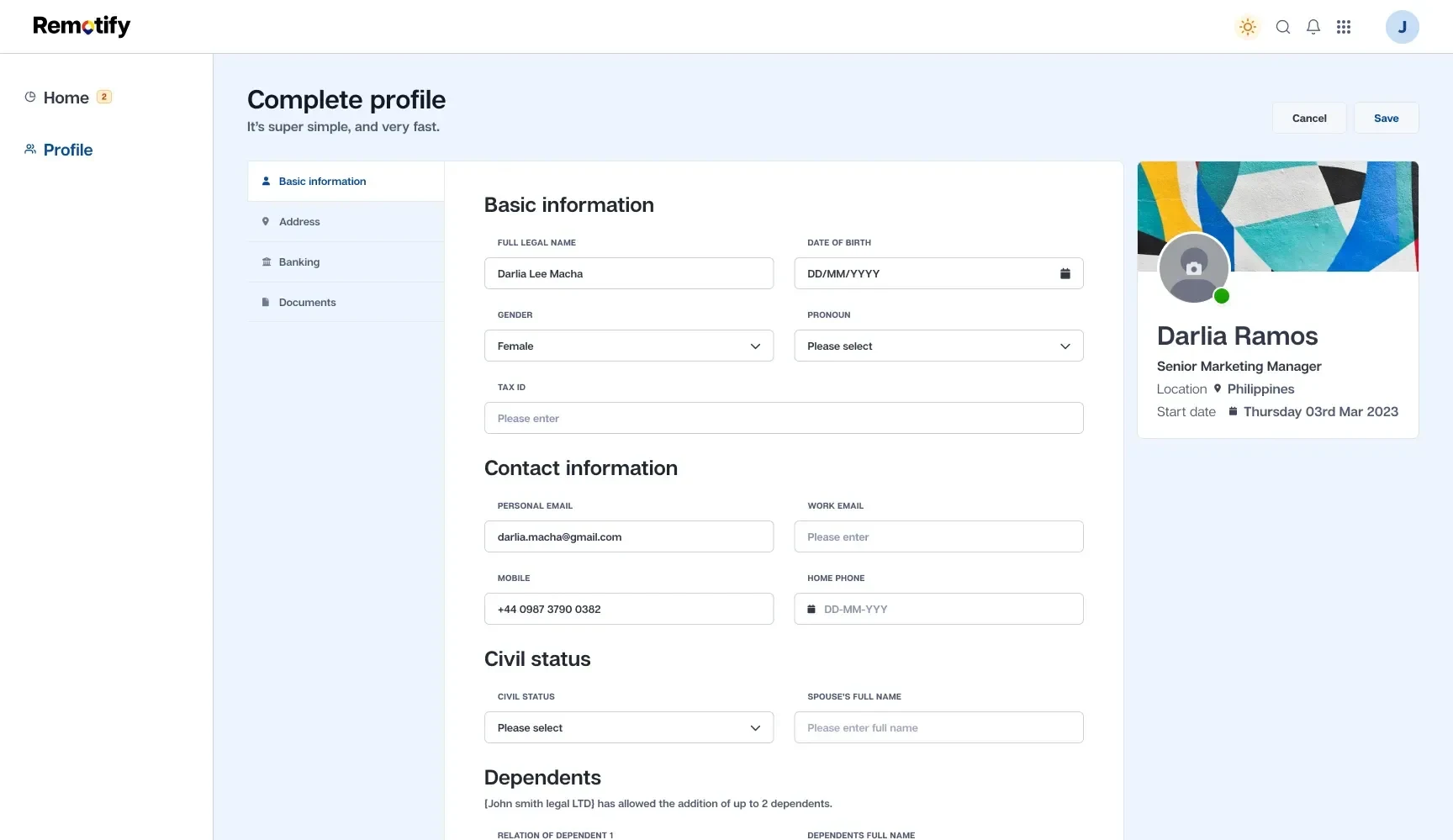
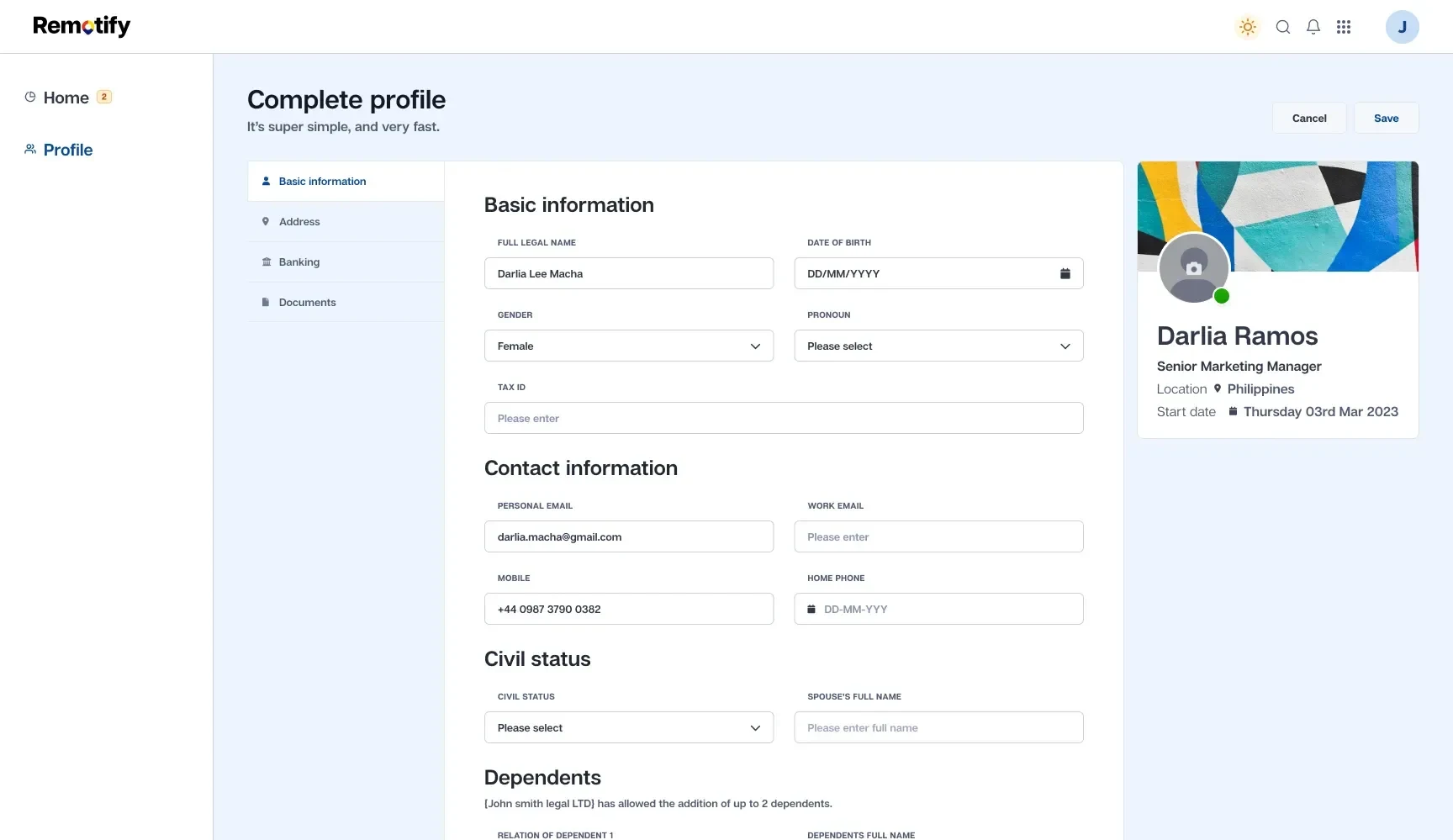
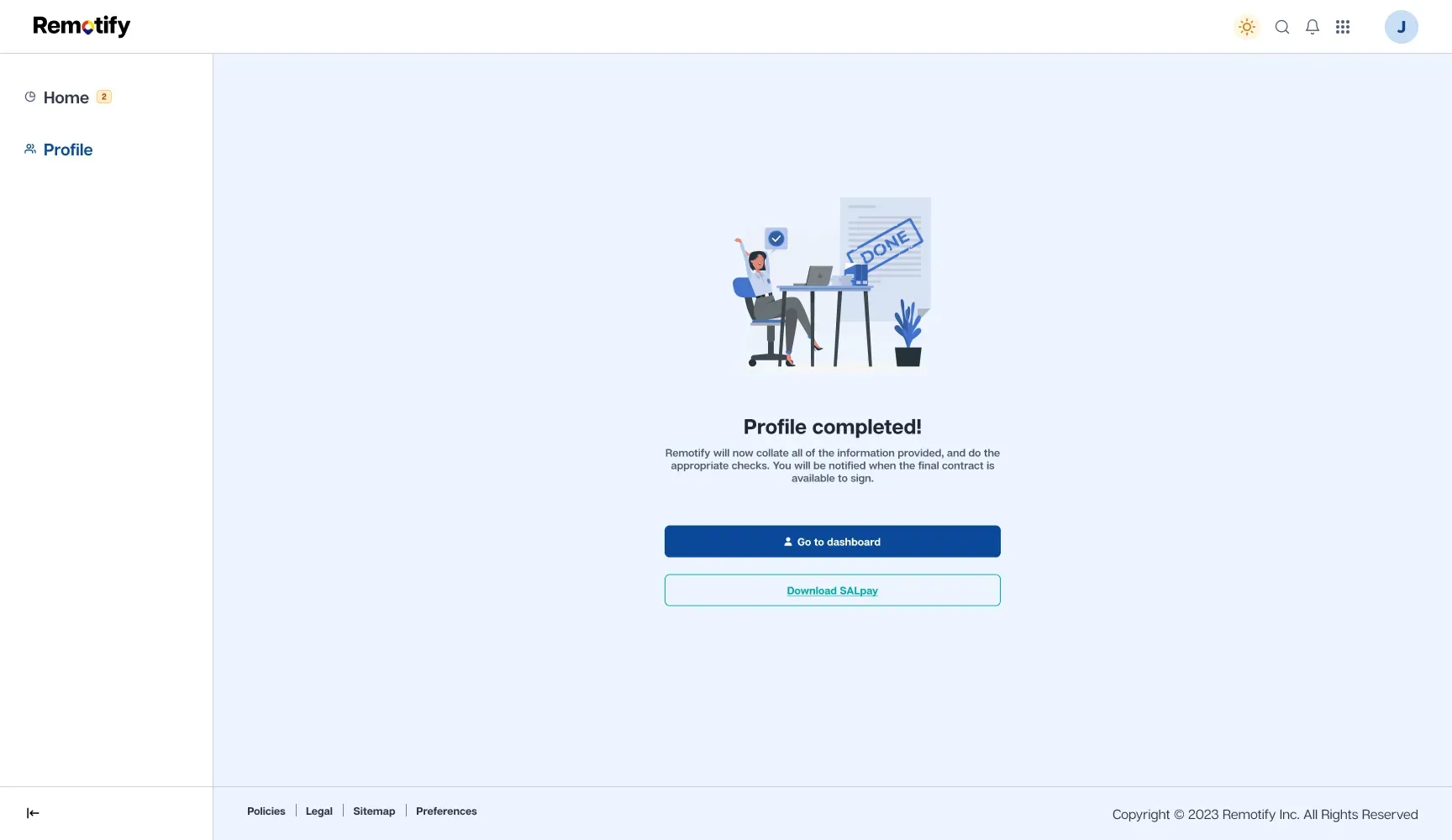
Remotify

End-to-end UX for an Employer of Record platform helping SMBs scale cost-effectively in the Philippines.

View project
Up next

Websites

Marketing sites, corporate sites, campaign microsites. Designed and built to perform, not just look good.

Read more
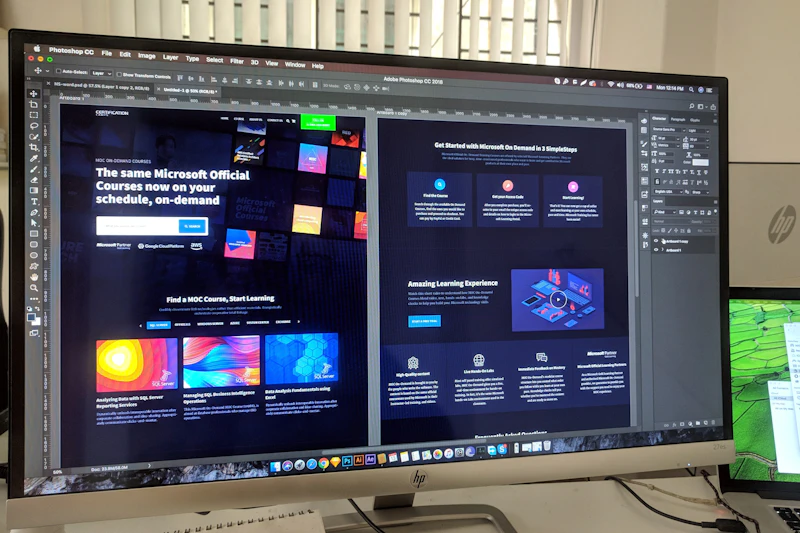
Computer monitor displaying a clean website layout
What kind of AI work do you do?

Three things. I help teams integrate AI into their design and development workflow. I design the UX for products with AI under the hood. And I advise on tool selection, prompts and guardrails so the team gets consistent output instead of prompting roulette.

Do you build AI models?

No. I design the workflows, interfaces and processes around AI. The models themselves are someone else's job. I focus on the parts users and teams actually touch.

How do you decide which AI tools to recommend?

By looking at what your team actually does day to day, not at what's trending. The right tool is the one that fits your workflow, your budget and the skill level on the team. Sometimes that's the well-known name. Sometimes it's something smaller and cheaper.

Can AI replace a designer?

No, and anyone selling that is selling you something. AI is good at drafts, variations and grunt work. It is not good at judgement, taste, or knowing when a brief is wrong. The teams getting value from AI are using it to make senior people faster, not to replace them.

How do you handle the IP and legal side?

I flag the risks up front. Generative output has unresolved questions around training data, attribution and ownership. I recommend tools and workflows with clearer provenance for client-facing work, and I keep a paper trail of prompts and decisions so audits later are not a nightmare.

Want AI to actually save your team time?

Every project starts with a conversation. I reply within 24 hours.

Get in touch